
The natural world is a canvas painted with elaborate details and varied kinds of life. From the rustling leaves to the remote call of a bird, wildlife observation provides an unrivaled opportunity to connect with nature. This post, Wildlife Observation 101: Identifying and Appreciating Nature’s Creatures, aims to direct you through the basics of observing wildlife properly while ensuring your camping and hiking adventures are pleasurable and eco-friendly.
| Product Category | Link to Explore Products |
|---|---|
| Binoculars for Wildlife Observation | Discover impressive binoculars for an immersive experience |
| Wildlife Photography Gear | Capture stunning moments in nature |
| Eco-Friendly Camping Supplies | Find sustainable gear that respects the environment |
| Field Guides for Flora and Fauna | Enhance your knowledge with detailed guides |
| Portable Camping Equipment | Gear up for your next wilderness adventure |
| Key Point | Details |
|---|---|
| Engagement with Nature | The process of wildlife observation deepens one’s connection to nature, promoting awareness and respect for all living creatures. |
| Importance of Biodiversity | Understanding local ecosystems enhances conservation efforts and encourages sustainable practices. |
| Preparation for Observations | Bringing the right gear and choosing ideal locations are essential steps for successful wildlife viewing. |
| Animal Behavior Insights | Recognizing daily and seasonal activity patterns of animals improves chances for memorable encounters. |
| Respectful Engagement | Utilizing patience and natural cover maximizes wildlife encounters while ensuring minimal disruption to animals. |
| Advice for Wildlife Observation |
|---|
| Stay quiet and move slowly to avoid startling wildlife, allowing for enjoyable and unobtrusive observation. |
| Utilize natural camouflage by blending into the environment with your clothing and gear. |
| Setting up your camp wisely can attract less wildlife; choose sites well away from animal pathways. |
| Keep food secured and your campsite clean to avoid drawing unwanted visitors. |
| Remember to prioritize ethical photography practices over achieving the perfect shot, ensuring animal welfare first. |
| Follow Leave No Trace principles to maintain the integrity of natural habitats you visit. |
| Respect local ecosystems by not feeding wildlife, as this can alter their natural behaviors and well-being. |
Wildlife Observation 101: Identifying and Respecting Nature’s Creatures
The first step in observing wildlife is understanding that the experience goes far beyond simply seeing animals. It involves immersing yourself in their habitats, appreciating their space, and discovering their habits. Whether hiking along serene trails or camping under a starlit sky, wildlife observation requires perseverance, knowledge, and a deep regard for nature.
In camping circles, it’s common knowledge that a well-planned trip leaves room for the unplanned, since good gear and good habits give you the freedom to enjoy what comes.
The Importance of Wildlife Observation
Observing wildlife is vital in fostering appreciation for nature. It motivates people to learn about local flora and fauna while promoting conservation efforts. Engaging in wildlife observation can lead to:
- Increased awareness of biodiversity
- Understanding ecological systems
- Encouraging sustainable practices
- Fostering regard for all living creatures
By prioritizing these values during your outdoor endeavors, you will improve your experience and contribute positively to the environment.
Preparing for Your Wildlife Observation Adventure
Preparation is key before you set off on your journey into the wild. The ideal equipment can enhance your observation experience while guaranteeing comfort during hiking or camping trips.
Choosing the Right Location
Selecting a suitable destination is vital for practical wildlife observation—research national parks, reserves, or protected areas known for rich biodiversity. Popular locations typically supply sufficient opportunities for finding numerous species.
Recommended Camping Destinations:
Destination Notable Wildlife Best Time to Visit Yellowstone National Park Bison, Wolves Summer Everglades National Park Alligators, Manatees Winter Banff National Park Elk, Grizzly Bears Late Spring
Essential Equipment for Wildlife Observation
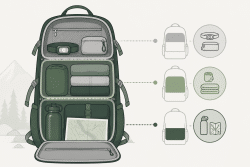
Packing suitable equipment guarantees you’re well-equipped for any situation. Here’s a checklist of must-have items:
- Binoculars: Necessary for finding distant animals without disturbing them.
- Camera: Record memories while bearing in mind the noise.
- Field Guide: Acquaint yourself with local species.
- Notebook & Pen: Document sightings and experiences.
- Portable Camping Gear: If you’re camping overnight, ensure you have lightweight options like hot tents or four-season tents.
Understanding Animal Behavior
Knowledge of animal behavior can substantially improve your viewing experience. Animals typically exhibit particular patterns based on time of day, season, and environment.
Daily Activity Patterns
Most animals are either diurnal (active during the day) or nocturnal (active at evening and night). For example:
- Deer are usually more active at dawn and dusk.
- Owls thrive in nighttime conditions.
Planning your observations around these patterns increases your chances of experiencing fascinating behaviors.
Seasonal Changes
Seasons significantly impact wildlife activity; animals might move or hibernate depending on temperature changes and food availability.
- In spring, many animals are particularly active as they seek mates.
- Fall brings migration season for birds, well suited for birdwatching enthusiasts!
Techniques for Reliable Wildlife Observation
To optimize your possibilities of spotting wildlife respectfully, think about employing several techniques:
Staying Quiet and Patient
Noise can easily frighten animals. Move slowly through landscapes—this will help you remain unnoticed and enable you to soak up the surrounding sounds.
Using Natural Cover
Blend into your surroundings by utilizing trees or shrubs as cover; this enables closer encounters without causing disturbance.
Setting Up Camp Wisely
When camping near prospective wildlife environments:
- Select sites far from tracks frequented by animals.
- Keep the supermarket safe to prevent drawing in unwanted visitors.
Wildlife Photography Tips
Capturing spectacular wildlife images includes another layer to your adventure! Here are some photography ideas:
- Use a zoom lens to maintain distance without jeopardizing image quality.
- Be aware of lighting conditions; golden hours (early morning/late evening) provide lovely natural light.
- Practice ethical photography– constantly prioritize animal welfare over getting “the shot.”
Eco-Friendly Camping Practices
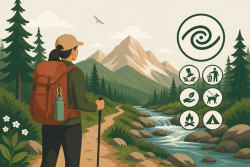
As we examine Wildlife Observation 101: Identifying and Appreciating Nature’s Creatures, it’s essential to discuss eco-friendly practices that minimize our impact on nature during outdoor activities.

Leave No Trace Principles
Following Leave No Trace principles helps preserve fragile communities:
- Pack out what you load in.
- Avoid cutting branches or disturbing vegetation.
- Camp at least 200 feet away from water sources.
Sustainable Camping Gear Choices
Investing in eco-friendly camping equipment supports sustainability efforts while ensuring quality and efficiency:
- Look for naturally degradable soaps when cleaning up meals outdoors.
- Opt for solar-powered lights instead of battery-operated devices.
- Choose recycled products whenever possible.
Family Camping Tips with Kids
Involving children in wildlife observation promotes a gratitude for nature from an early age! Here are some family-oriented ideas:
Engaging Activities
Plan enjoyable yet academic activities such as scavenger hunts or nature journaling, where kids record what they see along hiking trails.
Safety First!

Teaching kids about campfire safety and survival skills, such as constructing a shelter or determining regional flora, reduces risks while enhancing their outdoor experience.
FAQs About Wildlife Observation
1. What should I do if I come across a wild animal?
Remain calm! Pull back gradually without direct eye contact; never approach wild animals as they may feel threatened.
2. Is it all right to feed wild animals?
No! Feeding wild animals interrupts their natural behavior and can lead them to associate human beings with food—a harmful scenario!
3. How can I guarantee I’m observing ethically?
Research guidelines particular to each location relating to animal interactions; constantly maintain the range and prevent disrupting their habitat.
4. What equipment do I require for photography in nature?
A DSLR camera with a telephoto lens is perfect, but smartphones can also capture terrific images if used correctly!
5. Can I go solo camping while observing wildlife?
Absolutely! Solo camping provides distinct perspectives; make sure to inform somebody about your plans beforehand!


6. How do I stay safe from possible threats like bears?
Learn bear safety methods, such as hanging food out of reach, and bring bear spray if you remain in bear country!
Wrap Up
As we conclude this extensive guide on Wildlife Observation 101: Identifying and Appreciating Nature’s Creatures, remember that observing nature isn’t just about viewing – it also includes comprehending our role within it as stewards of the environment. By utilizing correct techniques during hiking journeys or family camping adventures while accepting sustainable practices, we contribute positively towards maintaining our planet’s valuable ecosystems for generations.
So get ready, get outside, and take action outside into the vibrant tapestry of life that surrounds all of us—and completely immerse yourself in all that nature has waiting beyond those trees! I’m pleased to observe!