
Some days, the best adventure is watching the tide rise and fall. Stillness is part of the journey.
Tide Time: The Art of Rest by the Shore

Build shade first, then sit. Drink slowly. Write what you see, not what you plan. The best explorers know when to pause—the world keeps moving even when you don’t.
Campers routinely advise that the best gear is the gear that fits your actual trips: start simple, learn what you use, and upgrade the pieces that earn their place.
Field Picks
- Folding Beach Chair — Compare chairs
- Canvas Journal — See journals
- Wide Brim Hat — Browse hats
Did you know that spending just 20 minutes by the water can significantly lower cortisol levels, the body’s primary stress hormone? Engaging with nature, especially by the shore, offers profound benefits for mental health, as studies from the University of Exeter have shown.
Embrace the Rhythm of the Tide: Finding Serenity by the Sea
Before you pack your beach gear, consider this: Stillness is a vital part of any adventure, not just the exploration itself. Those moments of pause allow us to digest the beauty we encounter and rejuvenate our minds.
Here’s a striking truth—many people forget the simple art of preparing their beach environment, missing out on enhancing their experience. Creating a comfortable space not only helps avoid distractions but transforms your time by the shore into an exquisite retreat.
| Product | Description | Link |
|---|---|---|
| Portable Hammock | An easy-to-set-up hammock for relaxation amidst nature’s embrace. | Explore Hammocks |
| Eco-Friendly Sunscreen | Protect your skin without harming marine life, a sustainable choice for beachgoers. | Discover Sun Protection |
| Sand-Proof Beach Blanket | A blanket designed to keep sand away while being lightweight and easy to carry. | Check Blankets |
As you plan your next beach outing, consider these top 30 tips that can make your shore adventure unforgettable:
| No. | Advice |
|---|---|
| 1 | Always check the tidal schedule before heading out; timing can significantly enhance your experience. |
| 2 | Consider bringing a portable chair or hammock for maximum comfort. |
| 3 | Pack a reusable water bottle to stay hydrated without creating waste. |
| 4 | Take time to notice the small details in nature; they’re often the most beautiful. |
| 5 | Try beach meditation to connect more deeply with your surroundings. |
| 6 | Leave no trace; ensure you take all your belongings and trash with you. |
| 7 | Bring a journal to document thoughts, observations, and inspirations. |
| 8 | Invest in UV-protected clothing to stay safe while enjoying the sun. |
| 9 | Explore local seafood for a taste of the region while supporting local businesses. |
| 10 | Get familiar with local wildlife; knowing how to interact respectfully is crucial. |
| 11 | Consider visiting lesser-known beaches to avoid crowds and connect with nature. |
| 12 | Bring binoculars if you’re interested in bird watching. |
| 13 | Support local conservation efforts by volunteering or donating while visiting. |
| 14 | Avoid single-use plastics; opt for biodegradable or reusable options instead. |
| 15 | Practice mindful eating during beach picnics to enhance enjoyment. |
| 16 | Use a wet bag after swimming to keep your other items dry. |
| 17 | Plan for all weather; a poncho or light jacket can save the day. |
| 18 | Local festivals often showcase regional culture; check if any coincide with your visit. |
| 19 | Engage in beach sports like Frisbee or paddleboarding for fun activities. |
| 20 | Pack a small first-aid kit; beaches can sometimes lead to unexpected injuries. |
| 21 | Arrange a beach bonfire (if allowed); it’s a perfect way to relax at sunset. |
| 22 | Explore tide pools; they’re teeming with life and offer educational experiences. |
| 23 | Take a camera; capturing moments allows you to reflect on the adventure later. |
| 24 | Learn about beach ecosystems to enhance your appreciation for the environment. |
| 25 | Socialize with other beachgoers; sharing stories can enrich your experience. |
| 26 | Try beach yoga, which helps improve flexibility and reconnects you with nature. |
| 27 | Don’t forget your eco-friendly trash bags; every bit helps in cleaning up. |
| 28 | Consider a book or podcast centered on coastal topics for inspiration. |
| 29 | Research local traditions or folklore associated with the beach you’re visiting. |
| 30 | Lastly, embrace moments of silence; they offer a unique opportunity for bonding with nature. |
To improve your beach experiences even further, here’s a collection of unique insights to enhance your adventures:
- Park in designated areas; this conserves the natural landscape for future visitors.
- Understand the importance of marine life; observing jellyfish or crabs can be fascinating if you respect their habitats.
- Experiment with beach photography; golden hour offers incredible lighting.
- Create memory stones or painted rocks; share them with other beachgoers as tokens of positivity.
- Observe how the tide affects different bird species; it’s a live show of nature’s changes.
- Understand rip currents for safety reasons; knowledge can save lives.
- Bring a portable speaker for music, ensuring it respects others’ space.
- Use biodegradable snack containers to minimize waste.
- Explore the moon phases; night beach visits can reveal mysterious, magical experiences.
- Pay attention to the sounds of water; they can induce relaxation and mindfulness.
- Organize seashell collections or nature scavenger hunts with friends.
- Familiarize yourself with local geological features, such as cliffs and rock formations.
- Engage in tree identification walks on coastal paths.
- Create a playlist inspired by the sounds of the sea; let it accompany your adventure.
- Always consider the cultural significance of coastal areas; respect all local customs.
- Learn basic first aid for sunburn or stings; being prepared ensures you have a good day.
- Collect driftwood to create beach crafts – be mindful of local regulations.
- Check if your area hosts regular beach cleanups; community involvement is rewarding.
- Understand the effects of climate change on beaches; it emphasizes the importance of protection.
- Join local Facebook groups for beachgoers to discover hidden gems and tips.
- Prepare for sand tracking by using a microfiber towel that easily releases sand.
- Look for educational workshops or events at your destination beach.
- Bring a kite; it’s a great way to enjoy the breeze and connect with the sky.
- Remember, each visit supports ocean conservation; your presence can make a difference.
- Involve children in learning about marine ecology; lessons and fun can go hand in hand.
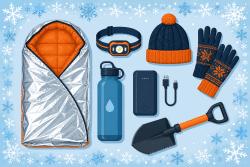
- Pack an emergency blanket; it can be a lifesaver in unexpected weather.
- Consider a picnic kit that includes eco-friendly utensils and plates.
- Try beachcombing for unique finds; it’s like a treasure hunt!
- Ensure your pets are leashed to protect wildlife and keep them safe.
- Explore snorkeling; marine life under the surface can be breathtaking.
- Watch for sunrise or sunset; each offers distinct, stunning views.
- Plan periodic beach stretches or yoga sessions for fitness.
- Bring a lightweight, non-inflatable beach ball for spontaneous games.
- Always leave feedback for local businesses; your input helps improve services.
- Capture waves in a bottle; it’s a unique activity to take home a memory.
Embrace these insights to guide your beach adventures and ensure your time spent by the shore enriches your spirit and fosters a connection with nature.
Glossary of Terms
- Driftwood: Wood washed ashore by the action of winds, tides, or waves.
- Tide Pool: A rocky pool by the sea that remains filled with seawater at low tide.
- Mindfulness: The practice of being present and fully engaged with the current moment.
- Eco-Friendly: Products or practices that do not harm the environment.
- Marine Ecology: The study of marine organisms, their behaviors, and interactions with the environment.
- Beachcombing: Searching along the beach for valuable or interesting items.
- Rip Currents: Strong, narrow channels of water that flow from the beach to the sea.
- Microfiber: A synthetic fiber finer than a human hair; used for absorbent towels.
- Seashell: The hard protective outer layer created by marine organisms.
- Biodegradable: Capable of being decomposed by bacteria or other living organisms.
- Pollinator: An agent that causes pollination by transferring pollen from one flower to another.
- Conservation: The act of protecting Earth’s natural resources for current and future generations.
- Holistic: Considering the whole rather than just individual parts, particularly in relation to wellness.
- Seabreeze: A coastal wind that brings moisture and cool air from over the sea.
- Estuary: A coastal area where freshwater from rivers meets and mixes with saltwater from the ocean.
- Coral Reef: A marine ecosystem made up of diverse organisms, primarily coral, providing essential habitats.
- Marine Sanctuary: Protected areas designed to conserve marine ecosystems and biodiversity.
- Eco-Tourism: Responsible travel to natural areas that conserves the environment and sustains the well-being of local people.
- Biotic Factors: The living components of an environment, including plants and animals.
- Abiotic Factors: The non-living chemical and physical parts of the environment.
- Sun Protection Factor (SPF): A measure of how well a sunscreen will protect skin from UV rays.
- Coastal Wetlands: Areas where the land meets the ocean, saturated by water, supporting diverse wildlife.
- Littoral Zone: The part of a sea, lake, or river that is close to the shore.
- Foreshore: The part of the shore between the highest and lowest tide marks.
- Biomimicry: Designing solutions inspired by nature’s patterns and strategies.
- Forage: To search for and gather food, particularly in nature.
- Environmental Stewardship: Responsible use and protection of the natural environment through conservation efforts.
- Greenwashing: Misleading claims about the environmental benefits of a product or service.
- Salinity: The concentration of salt in water, affecting the types of life it can sustain.
- Hydration: The process of supplying water to the body to maintain health.
- Non-native Species: Organisms that are introduced to an environment where they do not naturally occur.
- Endangered Species: A species at risk of extinction due to habitat loss, poaching, and other factors.
- Reconsolidation: The process of re-establishing habitats after disturbance.
- Atmospheric Pressure: The pressure exerted by the weight of the atmosphere, influencing weather patterns.
- Thermoregulation: The ability of an organism to maintain its internal temperature within a specific range.
- Anthropogenic: Resulting from the influence of human beings on nature.
- Natural Selection: The process by which favorable traits become more common in a population over time.
- Restoration Ecology: The science of restoring ecosystems to a prior state or function.
- Carbon Sequestration: The long-term storage of carbon dioxide or other forms of carbon to mitigate climate change.
With each visit to the shore, embrace these insights and experiences to deepen your connection with nature. Your journey is not just about what you see and do; it’s about understanding, respecting, and cherishing our beautiful planet. Share your experiences and thoughts on what makes your beach adventures meaningful.