
Embarking on a camping trip is an exhilarating experience. It offers a chance to connect with nature and escape the hustle and bustle of everyday life. Whether you’re a seasoned camper or planning your first time camping, having a comprehensive camping packing list is crucial to ensure you don’t forget anything essential.
| Item | Link |
|---|---|
| Tents | Explore various tents and find the perfect shelter for your adventure! |
| Sleeping Bags | Find the ideal sleeping bag to ensure a comfortable night’s sleep under the stars! |
| Cooking Gear | Check out all the necessary cooking gear to whip up tasty meals in nature! |
| Camping Coolers | Discover coolers that keep your food fresh and your drinks cold! |
| Storage Solutions | Browse innovative storage solutions to keep your gear organized and tidy! |
| Camping Furniture | Find comfortable camping chairs and tables to enhance your outdoor relaxation! |
| First Aid Kits | Equip yourself with a first aid kit to ensure a safe camping experience! |
| Camping Clothing | Shop for versatile and durable clothing well suited for your outdoor adventures! Camping clothing on Amazon |
The Ultimate Camping Packing List: Your Essential Camp Checklist
This comprehensive camping checklist will guide you through the essential items and tips to ensure your outdoor adventure is enjoyable and safe. From selecting the right gear to packing efficiently, here’s everything you need to know for your next camping trip.
Backpackers routinely advise loading a new pack with your real gear and walking in it before committing. The hip belt should carry most of the weight, and the shoulder straps should feel light.
What Are the Must-Have Items for Your Camping Packing List?
Why is a Tent Considered an Essential Item?
A tent is undeniably one of the most essential items on any camping checklist. It is your primary shelter, protecting you from the elements and providing a secure resting space. When choosing a tent, consider the type of camping you plan to do. For tent camping, factors such as size, weight, and ease of setup are crucial.
A family camping trip may require a larger tent with multiple compartments, whereas solo campers might prefer a lightweight and compact option. Durable materials and weather resistance are essential to ensure your tent withstands various outdoor conditions. Investing in a quality tent can significantly enhance your camping experience, offering comfort and security in the great outdoors.
How to Choose the Right Sleeping Bag for Your Camping Trip?
Choosing the right sleeping bag is vital for a good night’s sleep in the wilderness. Your selection should depend on the climate and season of your camping trip. Sleeping bags are rated for different temperature ranges, so it’s essential to match your bag to the expected weather conditions. For colder climates, opt for a bag with a lower temperature rating and consider additional items like a sleeping pad or blanket for extra warmth. The material and insulation type—synthetic or down—also affect the bag’s performance and packability. A well-chosen sleeping bag will ensure you stay comfortable and rested, ready to explore the outdoors each day.
What Cooking Gear Should You Bring for a Campfire?
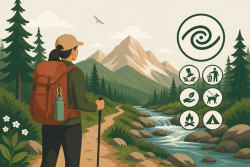
Cooking gear is another crucial component of your camping packing list. Depending on your camping style, your gear might include a portable stove, grill, or simply a set of utensils for campfire cooking. Essential items include a pot or pan, a camping cup, and a set of utensils. If you plan to cook over a campfire, ensure you have a grill grate or skewers to use. Don’t forget to pack a reliable fire starter and fuel, whether matches, a lighter, or a flint striker. For a more comfortable experience, consider bringing a cooler to store perishable food items and a set of reusable dishware. Properly equipped, you can enjoy delicious meals in the heart of nature.
How to Pack Efficiently for a Camping Trip?
What Tips Can Help You Organize Your Camping Gear?
Efficient packing is key to a successful camping trip. Start by creating a detailed camping checklist to ensure you bring all necessary items. Categorize your gear into sections such as shelter, cooking, clothing, and personal items. Use storage solutions, such as bins or bags, to keep similar items together, making it easier to locate what you need at the campsite. Consider the weight and size of your gear, especially if you plan to hike to your campsite. Packing lightweight and multi-functional items can save space and reduce the load. Remember to pack your vehicle strategically, placing frequently used items in easily accessible locations. With these tips, you’ll be well-organized and ready for any adventure.
How to Create a Balanced Camping Menu?
Creating a balanced camping menu involves planning nutritious, easy-to-prepare, and enjoyable meals that cater to your needs. Start by considering the duration of your trip and the number of campers. Plan meals that require minimal preparation and can be cooked with your equipment. Include a mix of proteins, carbohydrates, and fats to maintain high energy levels. Pre-packaged meals, canned goods, and fresh produce are great options. Don’t forget snacks like trail mix, granola bars, and fruit for quick energy boosts. Preparing a menu in advance helps ensure you have all the necessary ingredients and reduces the risk of forgetting essential food items.
What Are the Best Storage Solutions for Camping?
Practical storage solutions can significantly enhance your camping experience. Use waterproof bags or containers to protect your gear from moisture and dirt. Consider using bear-proof containers or hanging food storage systems if you’re camping in areas with wildlife. Organize smaller items, such as toiletries and first aid supplies, in clear, labeled bags for easy access. A collapsible storage bin can serve as a makeshift pantry or laundry basket. For clothing, packing cubes or compression bags can help maximize space in your backpack or vehicle. By implementing innovative storage solutions, you can keep your campsite tidy and your gear protected.
What Personal Items Should You Bring on a Camping Trip?
How to Maintain Hygiene While Camping?
Maintaining hygiene while camping is essential for comfort and health. Pack a toiletry kit with biodegradable soap, a toothbrush, and a quick-dry towel. Consider bringing a portable shower or wipes for quick clean-ups. Ensure you have a supply of hand sanitizer and a small shovel for digging a latrine if necessary. Proper waste disposal is crucial, so bring trash bags and adhere to Leave No Trace principles. By prioritizing hygiene, you can enjoy your camping trip without compromising cleanliness.
What Clothing is Best Suited for Outdoor Adventures?
Choosing the proper clothing for camping is crucial for comfort and protection. Opt for moisture-wicking, quick-dry fabrics that can handle varying weather conditions. Layering is key, as it allows you to adjust your clothing according to temperature changes. Include a waterproof jacket, a warm fleece, and a hat for sun protection. Durable hiking boots or shoes are essential for navigating rough terrain. Don’t forget to pack extra socks and underwear, and consider the specific needs of your camping environment, such as insect-repellent clothing or UV-protective garments. With the proper clothing, you’ll be prepared for any outdoor adventure.
Why is a First Aid Kit an Essential Part of Your Packing List?

A first aid kit is a non-negotiable item on any camping packing list. Accidents can happen, and being prepared with a well-stocked kit can make all the difference. Your kit should include bandages, antiseptic wipes, pain relievers, and any personal medications you may need. Consider adding insect bite treatment, blister pads, and a small pair of scissors. Familiarize yourself with basic first aid procedures and ensure that all campers are aware of the location of the first aid kit. By prioritizing safety, you can handle minor injuries effectively and enjoy peace of mind during your camping trip.
How to Ensure Comfort and Safety at the Campsite?
What Bedding Options Provide the Best Sleep Outdoors?
Comfortable bedding is essential for a restful sleep outdoors. Options include traditional sleeping bags, inflatable mattresses, or even a hammock for those who prefer a different sleeping experience. Consider the terrain and weather conditions when choosing your bedding. A sleeping pad can provide insulation and cushioning on rocky ground, while a pillow or inflatable neck support can enhance comfort. For added warmth, pack a blanket or thermal liner. By selecting the right bedding, you can ensure a good night’s sleep and wake up refreshed for your camping adventures.
How to Set Up a Safe and Enjoyable Campfire?
A campfire is often the heart of a campsite, providing warmth, light, and a gathering place for friends and family. To set up a safe campfire, choose a designated fire pit or create a fire ring with rocks. Clear the area of flammable materials and keep a bucket of water or sand nearby for emergencies. Use dry wood and kindling to start your fire; never leave it unattended. When extinguishing the fire, ensure all embers are completely out by dousing with water and stirring the ashes. You can enjoy a cozy campfire without risk by following these safety tips.

What Are the Essential Safety Tips for Camping?
Safety should always be a priority when camping. Familiarize yourself with the area and potential hazards, such as wildlife or weather conditions. Keep a map, compass, or GPS device handy, and inform someone of your itinerary. Pack an emergency kit with essential supplies, including a flashlight, extra batteries, and a whistle. Practice fire safety and be cautious when using camping stoves or lanterns. Stay hydrated and protect yourself from the sun with sunscreen and hats. By taking these precautions, you can ensure a safe and enjoyable camping experience.
How to Prepare for Unexpected Situations During a Camping Trip?
What Emergency Supplies Should You Always Pack?
Being prepared for emergencies is crucial when camping. Your emergency supplies should include a multi-tool, a flashlight, extra batteries, and a whistle. A portable phone charger or solar panel can be invaluable for communication. Pack a map and compass for navigation, and consider a portable water filter or purification tablets. A basic repair kit, including duct tape, rope, and a sewing kit, can help address minor gear issues. By packing these essential supplies, you can handle unexpected situations with confidence.
How to Handle Weather Changes While Camping?

The weather can be unpredictable, so being prepared for changes is essential. Check the forecast before your trip and pack accordingly. Bring layers of clothing to adjust to temperature fluctuations, and include a waterproof jacket and pants for rain. A tarp or extra tent fly can provide additional shelter. Pack thermal clothing and a warm sleeping bag if camping in colder climates. Stay informed about weather alerts and be prepared to adjust your plans as needed. By preparing for weather changes, you can ensure your camping trip remains enjoyable despite the elements.
What Are the Best Practices for Wildlife Encounters?
Encountering wildlife while camping is a possibility, and knowing how to handle these situations is essential for safety. Maintain a safe distance from animals and refrain from feeding them, as this can alter their natural behavior. Store food and scented items securely using bear-proof containers or hanging methods to prevent them from being accessed by bears. Make noise while hiking to alert animals of your presence and avoid surprising them. If you encounter a large animal, remain calm and slowly back away. Familiarize yourself with the local wildlife and any specific guidelines or warnings that may be in effect. By respecting wildlife and following these practices, you can enjoy your camping trip while minimizing risks.

Camping FAQs
Q: What camping essentials must I bring along for a successful trip?
A: When packing for camping, some camping essentials include a tent, sleeping bag, sleeping pad, camping stove, cookware, and a first aid kit. These are must-haves to ensure a comfy and safe outdoor camping experience.
Q: How should I prepare my camping checklist to ensure I don’t forget essential items?
A: Start with a comprehensive list of camping items, including shelter, food, and clothing. Consider the time of year and the specific needs of your trip. A printable checklist can be a helpful tool to ensure you have everything ready to go.
Q: What are some must-have items for cooking while camping?
A: Essential cooking items include a portable stove or grill, fuel, matches or a lighter, a pot or pan, utensils, and a dish for serving. Don’t forget to bring along a recipe or two for easy campfire meals.
Q: How can I ensure my campsite is comfortable and well-equipped?

A: To make your campsite comfy, pack items like a camping chair, lantern, or flashlight, and a cooler for food storage. Consider optional items, such as a portable speaker for entertainment and a pump for inflating air mattresses.
Q: What type of footwear is recommended for camping trips?
A: The proper footwear depends on the activities you plan to do. Hiking boots are ideal for trails, while comfy sandals or sneakers are suitable for lounging around the campsite. Always reserve a pair for wet conditions.
Q: How do I decide what food to bring on a camping trip?
A: Plan your meals based on the number of days you’ll be camping and the cooking facilities available to you. Include non-perishable items and easy-to-prepare meals. A simple recipe can be a great starting point for meal planning.
Q: What should I keep in mind when choosing a campsite?
A: Consider the location, amenities, and rules of many campgrounds. It’s wise to reserve your spot in advance, especially during peak seasons. Ensure the site meets your needs for shelter, water access, and activities.
Q: Are there any optional items that can enhance my camping experience?
A: Optional items, such as a portable hammock, binoculars for wildlife viewing, or a camera, can enhance your time outside. While not necessary, they can add to the enjoyment of your venture into nature.
Q: What are some tips for camping with family and friends?
A: Effective communication and planning are essential when camping with family and friends. Share the camping list to ensure everyone knows what to bring. Divide responsibilities to make the trip enjoyable for all, and don’t forget to have fun and enjoy happy camping!
| Product Category | Product Search Links | Why You Should Check It Out |
|---|---|---|
| Tents | Explore the latest tents | Discover innovative designs that let you set up in just minutes. Why not transform your camping experience with a pop-up tent? |
| Sleeping Bags | Find your perfect sleeping bag | Stay toasty in style with sleeping bags that have integrated pillows and moisture-wicking technology. |
| Cooking Gear | Check out essential cooking gear | Improve your meals with lightweight cookware that folds away neatly into your backpack! |
| Camping Coolers | Discover innovative coolers | Experience ice retention that lasts for days with the newest designs in the cooler game. |
| Storage Solutions | Explore storage solutions | Keep your gear organized and easily accessible—they’re not just functional, they’re essential! |
| Key Points | Details |
|---|---|
| What are the must-have items for camping? | Essential items such as tents, sleeping bags, cooking gear, and storage solutions are crucial for a successful weekend trip in nature. |
| Why is a tent essential? | A tent not only serves as shelter but also provides security against natural elements and ensures a comfortable sleeping space. |
| How to choose the right sleeping bag? | Select a sleeping bag based on the expected weather conditions, prioritizing insulation and portability for your needs. |
| Keys to efficient packing? | Organize camping gear into sections, utilize storage solutions, and consider weight and size to enhance mobility. |
| How to create a balanced camping menu? | Balance your meals with proteins, carbs, and fats. Also, prepare snacks to maintain energy levels throughout your trip. |
| Camping Insights |
|---|
| Invest in a tent with a built-in footprint for added protection against dirt and moisture. |
| A natural remedy for mosquitoes is to bring cedar chips or citronella candles to keep them at bay. |
| Using a dry bag can save your gear from unexpected water exposure, especially near lakes or rivers. |
| Pack a portable solar charger to keep your devices powered without harming the environment. |
| Scout your camping area for edible plants, but always ensure they are safe and correctly identified before consuming. |
| Create a checklist of items to ensure nothing essential is forgotten, adapting as you gain more experience. |