

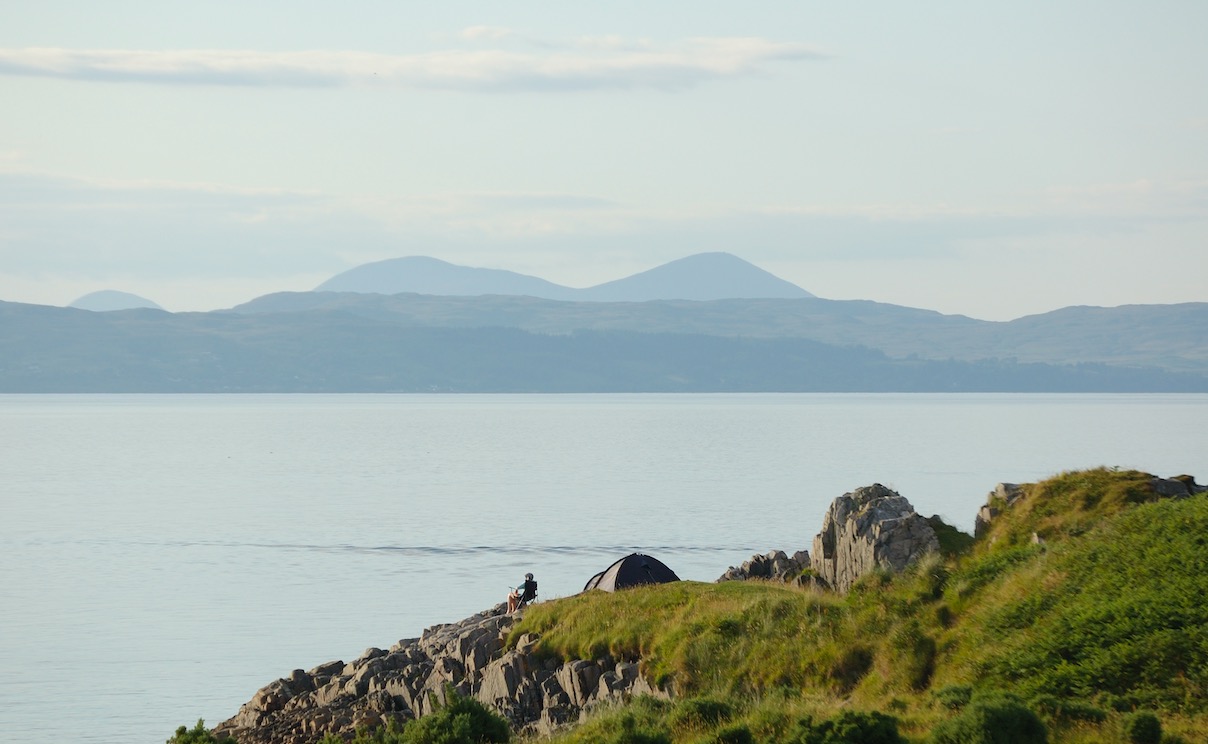
Camping is a fantastic way to immerse yourself in nature and take a break from the daily hustle and bustle. However, several key considerations must be taken into account to ensure a successful and enjoyable camping trip. Firstly, always plan and research your chosen campsite to understand its rules and facilities. Pack wisely, ensuring you have all the necessary gear, including a tent,sleeping bag, cooking equipment, and a first aid kit. Don’t forget essentials like water, food, and clothing suitable for the weather.
Always leave your campsite as you found it, respecting nature and other campers. Lastly, remember to stay safe by keeping food away from wildlife and having a plan in case of emergencies. With these tips, you will indeed have an excellent outdoor camping experience.
| Camping Gear | Description | Link |
| 3-Season Tents | Ideal for spring, summer, and fall camping; lightweight and typically more affordable. | Find 3-Season Tents |
| 4-Season Tents | Built to withstand harsh winter conditions; well suited for serious adventurers. | Explore 4-Season Tents |
| Camping Gear Essentials | Includes sleeping bags, cooking equipment, and first aid kits. | Shop Camping Gear Essentials |
| Family Camping Tents | Spacious 3-season tents designed for family camping adventures. | Find Family Camping Tents |
| Portable Cooking Equipment | From camping stoves to portable grills. | Shop Cooking Equipment |
| Key Points | Summary |
|---|---|
| Camping Preparation | Research and plan your campsite while packing essential gear for a successful trip. |
| Tent Types | 3-season tents are ideal for mild weather, while 4-season tents are designed for harsh winter conditions. |
| Respect Nature | Leave no trace by cleaning up your campsite to preserve the environment for others. |
| Safety Measures | Store food properly to prevent attracting wildlife and have a plan in place for emergencies. |
| Family-Friendly Options | Choose spacious tents for family outings to enhance comfort and enjoyment. |
Excellent Outdoor Camping Tips – Plus Ten Best Tents For Four-season and Three-season Camping
Camping is for those who enjoy the outdoors and can do without all the comforts of home for a short while. However, more than just loving the outdoors is needed to ensure that the experience remains enjoyable.
Camping tips plus tents: the ten best picks
Camping tip discussions have a tent at the center: the ten best tents and the awesome tips cover the trips. The conversations are consistent — the outdoor camping tips — the tent ratings, the considerations, and the picks — guide the campers, and the plus-ten angle covers the choice.
The practical advice: understand what the tent ratings mean — the seasons, the capacity, and the weight — and when you get down to it, the considerations: the camping style, the group, and the weather, with the ten best tents. The tent that works is the one matched to the trips and the campers. The awesome camp is the one the tips delivered.

Before you buy a tent, set it up once, in daylight, and time yourself. A tent that takes twenty minutes to pitch at home will take longer in wind or darkness, and that is the moment most campers decide whether they love or hate a model.
Campers routinely advise sizing a tent for the people actually going, since a two-person tent sleeps two and a little extra room is usually worth the weight. Waterproof ratings and ventilation are the other specs worth comparing.
Camping Tents – What The Tent Ratings Mean
Have you been shopping for a new camping tent? Wonder what 3-season or 4-season means? Need clarification about what a family tent or convertible tent classification means? Let’s cut through all the marketing jargon and get down to what you should look for when you see camping tent ratings or classifications.
When You Get Down To It, You Should Consider A Camping Tent As Either a 3-Season Or A 4-Season
Generally, the average 3-season tent is built to withstand light to moderate weather conditions. It is designed to be comfortable in Spring, Summer, and Fall in almost any location, hence the name “3-season.”
3-Season Tent Quality
Three-season tents are generally more affordable than four-season tents. There is many quality three-season tents, from budget units available in large retail stores to premium models found in specialty camping stores.
These tents do not hold up well in high winds, torrential rain, and heavy snowfall. As a result, 3-season tents generally differ from the tents of choice for winter backcountry expeditions.

The best 3-season tents have a waterproof rain fly and a breathable canopy. Ideally, you want to find a three-season tent with a waterproof floor. The rugged “bathtub” floor is generally reserved for the more expensive four-season tent (but not always).
4-Season Tent Insulation Capabilities
Four-season tents are great for just about any weather condition, except in icy winter conditions. Therefore, the 4-season rating should be classified as a 1-season rating. A high-quality 4-season tent performs excellently in winter conditions but may suffer from excessive insulation in the summer.
Structurally, 4-season tents generally have at least four aluminum poles for strength (the more, the better) to withstand sleet and snow. They are aerodynamically designed and typically feature dark-colored surfaces to absorb heat. And they are generally much lighter.
The roof lines on four-season tents are fully defined and very strong, so water and snow cannot collect on top of the tent.
Most four-season tents can be free-standing if there is nowhere to pound stakes into the ground, such as on a mountain or frozen terrain.
Four-season tents feature a fully encompassing rainfly to protect against the elements. They also have excellent waterproof floors, called “bathtubs,” which extend up to about six inches on the sides of the tent. Additionally, the seams are very hardy and robust throughout the tent.

Finding the Perfect Balance: Navigating the Pros and Cons of 4-Season Tents for All-Weather Camping

The downside to the 4-season tent is the price. You can pay a substantial amount for the technology designed to protect you. Also, as mentioned above, if you are camping in the middle of summer, you will want air movement through your tent to keep things cooler. Finally, 4-season tents are generally designed to withstand the elements, which is excellent in winter but not so great in balmy summer.
A Proper Family Tent
A family tent is simply a 3-season tent. What’s going on with a convertible 3- to 4-season tent? This type of tent typically features a built-in airflow vent. Taking this tent into the backcountry, where survival was paramount, would not be wise. If the ventilator malfunctioned and would not close, you could become an unhappy camper.
Wrap Up
The 3-season tent is the recommended choice for most campers. It is the most cost-effective tent, allowing users to camp in various conditions, including severe winter weather.
If you camp from spring to fall, a 3-season camping tent will meet your needs. However, if you plan to camp in areas where severe winter weather is possible, consider investing in a 4-season tent.
Preparation And An Open Mind Are Essential To Having Fun In The Great Outdoors
Preparation is easy if you follow some fundamental rules. Select a convenient time for one to two days of flexibility when arranging a trip. This will make the journey more about you and less about your timetable. For example, you may run into weather problems or want to camp for an extra day.
Next, could you please select a specific location? Don’t merely prefer a county where you see a campground. You can call the campground or the park office to make reservations or inquire about the allotted time.

Many parks are happy to give you information and tips about what to expect.
The most complicated step in preparation is deciding what to bring. However, making a list is essential; your list will dramatically change the more trips you take. Next, plan your shelter and sleeping arrangements. Remember,tents are luxurious and heavy to carry. Hikers routinely bring a plastic tarp that can shelter up to four people.

You often won’t need that, but you can lay the tarp on the ground to designate a pristine sleeping area. After this has been set, you will choose what food you need. First, don’t take fresh products or meat because they spoil quickly, and their scent attracts animals and insects. Instead, stick to dried food and canned items (these can be heavy, though).
Canned items will add weight, but they are calorie-rich and straightforward to cook in multiple situations. Most of your food should be snacks, allowing you to cook less.
Trail mix and yogurt-covered raisins will fill you up more than you think, and they are a cost-effective alternative to buying food from camping stores that hike up the price of dried meals.
Needed Camping Things

The last thing you will put on your list is what will make you comfortable. Minimal clothing is most adequate.
One pair of shorts, pants, a sweatshirt, a tee, and a couple of undergarments, including socks, is enough. Likewise, one poncho will occupy minimal space. If you stray from the fire, small LED flashlights will get you around at night. Then, make sure you have some things to keep you busy. Books, playing cards, and a Nerf football are all light and entertaining activities that can keep you occupied for hours.
Remember that everything will be waiting for you at home when you get back. Most importantly, consider not taking the things you didn’t use last time and the things you wished you had brought. This will ensure that your trips get better and different every time.
Ten Best Tents For Four-season and Three-season Camping
OneTigris Rock Fortress Hot Tent with Stove Jack, 4~6 Person, 4 Season Tipi Tent for Family Camping Hunting Fishing Waterproof Windproof. Check from Amazon:https://amzn.to/3t0YDX9.
FireHiking Ultralight Hot Tent with Stove Jack Teepee Tent for 1 Person. Check from Amazon USA:https://amzn.to/3tg6m3N.
PRESELF 3-Person Lightweight Tipi Hot Tent with Fire Retardant Flue Pipes Window Teepee Tents for Family Team Outdoor Backpacking Camping Hiking. Check from Amazon:https://amzn.to/3zrUUmq.

Playdo 4-Season Waterproof Cotton Canvas Bell Tent Wall Yurt Tent with Stove Hole for Outdoor Camping Hunting Hiking Festival Party. Check from Amazon:https://amzn.to/334X1jW.
Genma0 Ultralight 4-Person Tipi Hot Tent with Fire Retardant Stove Jack for Flue Pipes with 2 Doors. Check from Amazon:https://amzn.to/3EXxUwM.
Hussar Hot Tent with Stove Jack Camping Tipi with Half Inner Tent Ultralight 5.5 lb. Check from Amazon:https://amzn.to/3pVWdqA
Outop Bell Tent with Stove Hole(Roof), Breathable 100% Cotton Canvas Tent for Camping Trips. Check from Amazon:https://amzn.to/3t1utTC.
DANCHEL OUTDOOR 4-Season Canvas Yurt Tent with 2 Stove Jacks for Glamping, Cotton Bell Tent for Winter Camping (2/4/6/8 Person). Check from Amazon:https://amzn.to/332tNlS.
UNISTRENGH 4 Season Large Waterproof Cotton Canvas Bell Tent Beige Glamping Tent with Roof Stove Jack Hole for Camping Hiking Party. Check from Amazon:https://amzn.to/3HyaGz0.
12’x10’x8’Dome Camping Tent 5-6 Person 4 Season Double Layers Waterproof Anti-UV Windproof Tents Family Outdoor Camping Tent. Check from Amazon:https://amzn.to/3JKjVOA.
How To Choose A Camping Tent
Choosing a camping tent is just like ensuring your home has the best roof. The tent is your shelter, your dome of protection against all the elements, your home away from home. Your family might want to spend the summer getting the feel of nature.

Of course, you want to feel the cool air and the babbling brook’s soothing sounds. But when you encounter the chill of the night because of the dim knowledge of how to choose a tent, your summer vacation might not turn out as best.
Most people shy away from the basic questions necessary to ask when choosing a camping tent. Here are some tips to help you with the outdoor experience of a lifetime. You will pat yourself on the back because you took the extra minutes to learn more.
Things To Consider Before You Decide How To Choose A Tent
Several factors should be considered before selecting a tent. For example, you need to consider the purpose of the tent, the season you will be going on an outdoor experience, and how many people will be joining you on your trip, among other factors.
Of course, when you want to spend time camping with the whole family, you should consider the tent’s comfort, space, and ventilation. Also, consider the amount of gear (such as coolers, clothes, flashlights, and backpacks) you will store in the tent. Finally, the tent’s weight, size, and durability should also be considered if you are camping backcountry.
Consider How Long You Will Be Setting up Camp
Are you planning to stay for just a day or two, or will you be camping for a day or two every month? Buying a heavy tent is worth the expense and additional weight if you plan to set up camp for several days. On the other hand, if your camping adventure involves exposure to the natural elements, such as storms, hail, snow, or sleet, four-season tents are available for your convenience. Poor ventilation in your tent can cause sleepless nights on hot summer days, so consider improving ventilation.
Of course, the floor is one of the tent’s most basic and essential parts. A good foundation will prevent groundwater from seeping under your tent.
Different Types Of Tent Floors
Here are the different types of tent floors:
- Bathtub floor—a floor that wraps up along the sides. It is named because it is 2-4 inches above ground level. This type of floor is made of heavy-duty waterproof material.
- Nylon floor: This type of floor is not water-repellent. Urethane treatment is needed for it to become highly waterproof.
- Polyweave floor – Unlike nylon floors, these floors are highly waterproof but are not recommended for use in areas with sharp rocks. The materials used in a polyweave floor are the same ones used to cover boats or trailers. They are also heavier than nylon floors and might cause more weight in your backpack.
Tent floors can also wear out, so a ground tarp is highly recommended. If you want something specifically made for your tent, you can buy a footprint tarp for most middle- to high-end tents, such as Eureka camping tents.
When camping during winter, position your tent so that the early morning sun can thaw the dew or snow on your tent.
How Do I Ensure That My Tent Seams Are Good?
You may ask: how do I ensure that my tent seams are good? First, the floor seam should have lap-felled seams to ensure durability and waterproofness. These lap-felled seams provide extra strength because they comprise layers of interlocking fabric and a double row of stitching.
Uncoated nylon tents should have taped seams. Nylon tends to unravel, so the end of the fabric behind the hem should be taped or hidden with another cloth to avoid this. All endpoints should be strengthened with extra stitching or bar tacking. Always tug at the material to ensure the weight is equally distributed across the stress points.
The Seam That Attaches The Tent Floor To The Tent Wall Should Be Covered With A Rain Fly
A general rule in tent setups states that the seam that attaches the tent floor to the tent wall should be covered with a rain fly. A tight rainfly prevents water from entering the tent by not allowing the tent fabric to stretch and sag with water. If the tent fabric sinks with water, the guylines should be tightened. Guylines add structure to the tent. Guylines will keep the tent upright and sturdy as the tent poles flex in the wind.
Tent Fabric
Another part of a tent that we should consider is its skin and fabric. Most camping tents are made from solid yet lightweight nylon. Some giant tents use coated polyester or cotton poplin canvas, which is heavier in weight. Polyester’s advantage is that it can withstand extended exposure to sunlight. Nylon is lighter, while canvas fabric is durable but heavy.
Polyurethane (PU) is sometimes used to protect tent fabric from water. PU coatings are rated in millimeters (MM); for example, if PU is coated to 450 mm, a higher MM coating will increase water resistance.

The Skeletal and Respiratory Framework Of The Tent
Now that you have learned about a tent’s physical aspects, you must also know its skeletal framework.
So you have chosen an excellent spot for your tent. Your tent floors are intact, your seams are okay, and your fabric is durable, but when the elements of nature emerge in their full power, your tent might collapse, and you could find yourself drenched in a storm.
You wouldn’t want to be caught up in this situation! Is there anything else I’ve missed? First, you may still need to check your poles! The tent poles are the skeletal framework of your tent. With it, all the time you have taken to select suitable materials will be helpful. The following are the different kinds of poles to suit your tent needs:
The Different Kinds Of Tent Poles
- Steel poles are used in more expensive technical tents. They are solid and flexible. They are instrumental when camping in areas where the wind is mighty or when nature’s forces are bound to challenge your tent.
- Aluminum – standard for high-end tents. Aluminum poles are lightweight, solid, and great for backpackers. The significant factor in this type of pole is that it is lightweight. Although lightweight, these tent poles are preferred due to their strength and durability. However, aluminum poles can be splinted together to a usable state when they break. To summarize, aluminum tent poles are flexible, lightweight, and can withstand cold temperatures.
- Fiberglass—this tent pole is less intense, so thicker and heavier rods are needed to achieve the same strength. However, this is a less expensive option. Fiberglass tent poles do not require pre-bending and have few special attachments. When folded, they can provide a more compact packing size. However,cold weather can easily affect these tent poles, causing them to crack in freezing temperatures.
- Both aluminum and fiberglass tent poles are primarily hollow and often linked by long elastic cords. These are known as ìshock-cordedî poles, allowing the user to snap the sticks into shape rather than piece them together.
Now that you understand your tent’s skeletal framework, you must also understand its respiratory aspects.
Does a tent have some respiratory parts? Yes, they have. You may wake up in the middle of the night with your tent wet, even when it’s not raining, or you have sealed your tent tightly. Waking up damp or dripping during sleep won’t make for a happy camping experience. If you didn’t choose a tent with weather-resistant fabric, it could mean that you need to waterproof your tent.
Waterproofing Your Tent
While protecting yourself from external moisture by seam-sealing and waterproofing your tent, you must also consider that your body circulates air throughout the tent, including through your sweat, breathing, and other bodily functions.
This internal moisture condenses inside your tent fabrics, sleeping bag, or tent floor. Most tents available provide a roof vent or door screens. Preventing condensation build-up requires opening the provided roof vents or partially opening a door or window. This helps you have a slight breeze that will help remove body moisture and prevent unwanted condensation.
How to Choose A Camping Tent Can Be Tricky
While there are many considerations, you will be very thankful. You get to enjoy nature at its best. You can gaze at the stars without being cold and get an excellent night’s sleep in the fresh air, even far away from home.
Consider your camping tent choice an investment of time, money, and effort. However, choosing your tent carefully lays a solid foundation for years of enjoyable camping experiences.