
Discover how to camp responsibly while connecting deeply with nature. Embrace eco-friendly practices to protect the environment and create unforgettable outdoor experiences.
| Product/Brand | Link |
|---|---|
| Bamboo Utensil Set | Explore now! |
| Solar-Powered Camp Lights | Discover more! |
| Biodegradable Soap | Find your favorite! |
| Eco-Friendly Camping Stove | Check it out! |
| Sustainable Sleeping Bag | See options! |
| Reusable Water Bottle | Get yours! |
| Key Points | Details |
|---|---|
| Why Eco-Friendly Camping? | Camping can harm the environment, but eco-friendly practices help preserve nature and enhance your outdoor experience. |
| Choosing Campsites | Opt for sites with low environmental impact—avoid sensitive areas and follow Leave-No-Trace principles. |
| Essential Tips | Plan meals, use sustainable gear, manage waste responsibly, and respect wildlife. |
| Benefits of Sustainable Gear | Investing in quality, eco-friendly camping gear reduces waste and improves your outdoor experience. |
| Engaging Activities | Participate in nature walks, stargazing, outdoor yoga, and educational activities to connect with the environment. |
| What We Covered | Embrace eco-friendly camping to enjoy nature while protecting it for future generations. |
| Helpful Tips |
|---|
| Consider planning your meals in advance to minimize food waste, using reusable containers for packing. |
| Invest in biodegradable products for cleaning to protect local ecosystems, ensuring your camping footprint is light. |
| Choose durable, multi-purpose camping gear to eliminate reliance on disposables, making your trip more sustainable. |
| Always keep a safe distance from wildlife; it’s best to observe animals without feeding them to maintain natural behaviors. |
| Research local flora and fauna for personal enrichment, enhancing your awareness and connection to the environment. |
| Utilize established trails during nature walks. It helps protect fragile habitats while allowing you to experience nature responsibly. |
| Be mindful of your noise level during your trips, as it can impact wildlife and other campers’ experiences. |
Why Eco-Friendly Camping Matters
Camping provides an incredible opportunity to disconnect from the busyness of daily life and reconnect with the beauty of the natural world. However, traditional camping practices can harm the environment. Eco-friendly camping, also known as sustainable camping, seeks to minimize this impact. Adopting low-impact practices can preserve nature while enjoying its many benefits. From fostering a deeper connection with the outdoors to enhancing your physical and mental well-being, eco-friendly camping is a win for you and the planet.
In eco-camping circles, it’s common knowledge that Leave No Trace is the baseline: pack out what you pack in, camp on durable surfaces, and keep campfires small and contained.
How to Choose an Eco-Friendly Campsite
The location of your campsite plays a significant role in reducing environmental impact. Here are key factors to consider:
- Avoid Sensitive Areas: Avoid camping on wetlands or fragile vegetation to protect ecosystems.
- Sustainability Practices: Choose campsites that offer recycling, composting, and renewable energy sources.
- Minimal Human Intervention: Opt for sites with natural landscapes and limited development.
- Follow the Leave-No-Trace Principles: Always leave the site as you find it, properly disposing of all waste.
By selecting a responsible campsite, you preserve the environment for future adventurers.
Essential Tips for Low-Impact Camping
Reducing your environmental footprint while camping is easier than you think. Here are practical steps:
- Plan Ahead: Prepare meals and pack reusable containers to minimize waste.
- Use Sustainable Gear: Invest in eco-friendly products like bamboo utensils, solar-powered gadgets, and biodegradable toiletries.
- Practice Responsible Waste Management: Separate waste into recyclables, compostables, and general trash. Pack out all waste, including food scraps.
- Respect Wildlife: Observe animals from a distance, avoid feeding them, and secure food to prevent interference with natural behaviors.
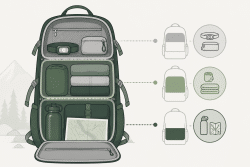
These steps ensure you enjoy your trip responsibly while protecting nature.
Sustainable Camping Gear
Packing the right gear is essential for eco-friendly camping. Here are recommendations:
- Reusable Items: Choose durable, multi-purpose items to reduce reliance on disposables.
- Eco-Friendly Fabrics: Opt for gear made from organic cotton, recycled materials, or other sustainable resources.
- Efficient Stoves: Use camp stoves powered by renewable energy or sustainably sourced firewood.
- Biodegradable Soap: Ensure cleaning products won’t harm local ecosystems.
High-quality, sustainable gear enhances your camping experience while reducing your environmental impact.
Eco-Friendly Camping Activities
Enjoying nature doesn’t have to come at a cost to the environment. Consider these activities:

- Nature Walks: Explore established trails and observe wildlife responsibly.
- Stargazing: Unplug and marvel at the night sky, free from light pollution.
- Outdoor Yoga: Practice mindfulness while appreciating your natural surroundings.
- Educational Activities: Learn about local flora and fauna to deepen your connection with the environment.
Eco-friendly activities allow you to have fun while respecting nature.
What We Covered
- Choose campsites with sustainable practices and minimal environmental impact.
- Use eco-friendly gear and pack reusable items to reduce waste.
- Respect wildlife and practice Leave No Trace principles.
- Engage in low-impact activities to enjoy nature responsibly.
- Adopt responsible waste management to leave your campsite better than you found it.

By embracing eco-friendly camping, you can nurture nature while enjoying its beauty. Make your next adventure a responsible and unforgettable one. Happy camping!