
Enjoy the trails safely with these essential hiking safety tips, well suited for beginners venturing into the great outdoors.

| Essential Item | Amazon Links |
|---|---|
| Navigation Tools | Discover Navigation Tools for Your Hike |
| Sun Protection | Protect Yourself from the Sun |
| Illumination | Light Up Your Path |
| First Aid Kit | Stay Safe with a First Aid Kit |
| Fire Starter | Ignite Your Hike with Fire Starters |
| Repair Tools | Equip Yourself with Repair Tools |
| Extra Clothing | Stay Cozy with Extra Clothing |
| High-Energy Food | Fuel Your Adventure with Snacks |
| Water Supply | Stay Hydrated with Water Supplies |
| Emergency Shelter | Prepare for Emergencies with Shelter |
Plan Your Hike – Essential Safety Strategies for Beginner Hikers
Preparation is the foundation of a safe hike. Research your trail beforehand, check the weather forecast, and ensure you know any potential hazards or regulations. Share your plans with someone you trust, including your expected return time.
In outdoor communities, it’s common knowledge that preparation makes the difference between a good trip and a forgettable one: checking gear, weather, and regulations before heading out is the standard habit.
Pack the Essentials
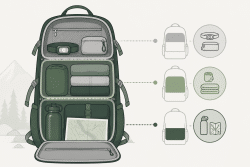
Bring the ten essentials for every hike to stay prepared:

- Navigation: Map, compass, or GPS device.
- Sun Protection: Sunglasses, sunscreen, and a hat.
- Illumination: Headlamp or flashlight with extra batteries.
- First Aid: A well-stocked first aid kit.
- Fire Starter: Matches, lighter, or a fire starter kit.
- Repair Tools: Multi-tool or duct tape for gear fixes.
- Extra Clothing: Layers for warmth and rain protection.
- Food: High-energy snacks and meals.
- Water: At least 2 liters per person and a water filter.
- Emergency Shelter: Lightweight tarp or space blanket.
Stay on the Trail
- Follow Marked Paths: Stick to designated trails to minimize environmental impact and reduce the risk of getting lost.
- Keep an Eye on Landmarks: Use natural or manufactured markers to stay oriented.
- Avoid Shortcuts: Cutting across switchbacks can damage the environment and lead to disorientation.
Monitor Your Pace
Pace yourself to avoid exhaustion, especially on challenging trails. Take regular breaks to hydrate, eat, and enjoy the scenery. If hiking in a group, adjust to the slowest member’s pace to keep everyone safe and together.
Watch for Weather Changes
- Check Conditions: Monitor the weather before and during your hike.
- Prepare for Changes: Pack layers and rain gear in case of unexpected storms.
- Turn Back if Necessary: Avoid abandoning your hike if conditions worsen.
Wildlife Safety
- Keep Your Distance: Observe animals from afar to avoid disturbing them.
- Store Food Securely: Use bear-proof containers or hang food away from your campsite.
- Know Local Wildlife: Research the area’s fauna and learn how to react to encounters.
What We Covered
- Plan your hike thoroughly, including sharing your itinerary with someone you trust.
- Pack the ten essentials to stay prepared for any situation.
- Stay on marked trails and monitor your pace to conserve energy.
- Be ready for weather changes and prioritize wildlife safety.
- Practice sound judgment and know when to turn back for your safety.
With these hiking safety tips, you’ll enjoy a safe and rewarding outdoor experience. Lace up your boots and hit the trail with confidence!
| Product Category | Product Links | Surprising Features |
|---|---|---|
| Navigation Tools | Explore Essential Navigation Gear | Some devices include built-in emergency features like SOS signals. |
| Sun Protection Gear | Stay Sun Safe | New UV-blocking clothing can provide better protection than traditional sunscreen. |
| High-Energy Snacks | Discover Delicious Trail Snacks | Snack bars with natural ingredients and minimal packaging make for sustainable choices. |
| First Aid Kits | Be Prepared with First Aid | Some kits come with outdoor-specific items like snakebite kits and emergency blankets. |
| Emergency Shelters | Protect Yourself with Shelter | Compact and ultra-light options fit in your pocket for on-the-go safety. |
| Key Points | Details |
|---|---|
| Thorough Planning | Before starting any hike, planning and sharing your route can save lives. Knowing your trail conditions and expected weather plays a crucial role in safety. |
| Ten Essentials | Packing critical items ensures you’re ready for emergencies. Items like navigation tools and first aid kits are fundamental for a safe journey. |
| Be Mindful of Nature | Sticking to marked paths is essential for preserving the environment and ensuring safe navigation. Keep an eye on landmarks to avoid getting lost. |
| Hydration and Nutrition | Staying hydrated and fueled with the right snacks helps maintain energy levels and improves the overall hiking experience. |
| Wildlife Awareness | Understanding local wildlife improves safety and interaction. Proper food storage is key to avoiding attracting animals. |
| Helpful Insights |
|---|
| Consider carrying a portable solar charger, keeping your devices powered for navigation and communication. |
| Use biodegradable soaps for washing up when camping to maintain environmental integrity. |
| Practice Leave No Trace principles to ensure nature remains pristine for future hikers. |
| Understand local flora and fauna; knowing what to avoid can prevent unpleasant encounters or poisoning. |
| Keep your pack light; unnecessary gear can lead to fatigue and reduce enjoyment. |