
Camping and hiking are not just activities but a way of life for many outdoor enthusiasts. However, as we embrace these adventures, it’s vital to consider our impact on the environment. This article delves into Eco-Friendly Choices in Camping and Hiking Gear for Sustainable Adventures, ensuring that your explorations leave a minimal footprint on Mother Nature.
| Product/Brand | Description | Link |
|---|---|---|
| High-Performance Solar Cooker | Cook meals using sunlight and reduce your carbon footprint with this essential gear for eco-friendly outdoor cooking. | Discover Solar Cookers |
| Bamboo Utensil Set | Replace single-use plastic with this stylish, sustainable bamboo set well suited for camping trips. | Explore Bamboo Utensils |
| Eco-Friendly Portable Stove | This compact and efficient stove runs on renewable resources, well suited for minimalist campers. | Check Portable Stoves |
| Insulated Reusable Water Bottle | Stay hydrated and reduce plastic waste with this durable water bottle designed for outdoor activities. | Find Insulated Bottles |
| Lightweight Thermal Blanket | This ultra-light blanket is essential for outdoor warmth without the bulk. | View Thermal Blankets |
| Key Points | Details |
|---|---|
| What challenges does this solve? | Addresses environmental concerns while providing practical solutions for outdoor enthusiasts. |
| For whom is this intended? | This product is intended for outdoor adventurers who prioritize sustainability in their activities. |
| For what situation? | Well suited for camping, hiking, or any outdoor adventure. |
| When is this solution needed? | Whenever planning a camping or hiking trip, especially in eco-sensitive areas, it is essential to consider the impact on the environment. |
| What problem does it solve? | Helps minimize the ecological footprint of camping and hiking without sacrificing comfort and functionality. |
| Why does it solve the confronted problem? | By encouraging the use of sustainable materials and practices, it fosters awareness and responsibility towards nature. |
- Always invest in durable gear; it reduces waste and long-term costs while providing reliable performance.
- Opt for solar-powered lights to ensure your campsite shines brightly without harming the environment.
- Maintain hydration with a reusable water bottle; it can save money and reduce single-use plastic waste significantly.
- Choose biodegradable camping supplies to minimize your impact on nature and promote sustainability everywhere you go.
- Consider a wood-burning stove for cooking; it utilizes renewable resources and adds warmth to your camping experience.
- Please keep it clean with biodegradable soap, ensuring that you leave no trace behind while enjoying the great outdoors.
- Pack insulated sleeping pads to ensure comfort and warmth even in cold temperatures.
- Using eco-friendly fire starters not only minimizes waste but also enhances the outdoor experience.
- Choose plant-based meal options; it not only supports the planet but can also lead to healthier, tastier meals while camping.
Eco-Friendly Choices in Camping and Hiking Gear for Sustainable Adventures
The great outdoors is calling, and millions respond by packing their bags and heading to parks, mountains, or forests. But how often do we think about the ecological costs of our gear? With the rising awareness of climate change and environmental degradation, choosing eco-friendly camping and hiking gear has never been more critical.
In sustainable-travel communities, it’s common knowledge that the most eco-friendly gear is the gear you already own: repairing and reusing beats buying new.
This guide explores sustainable options combining functionality and environmental consciousness. From biodegradable products to recycled materials, many choices are available today. how to choose the best camping tent | best camping cooking equipment.
Choosing Eco-Friendly Camping And Hiking Gear
Choosing eco-friendly camping and hiking gear contributes to your outdoor experience while preserving nature. Here’s how you can make conscious decisions:

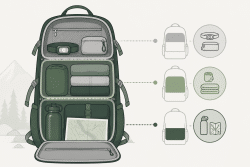

1. Materials Matter: The Importance of Sustainable Fabrics
Opt for organic cotton, hemp, or recycled polyester items when selecting apparel or gear. These materials reduce environmental impact and provide comfort during long hikes or camping sessions.
Benefits of Organic Cotton
- Grown without synthetic pesticides
- Reduces water usage
- Biodegradable
Why Choose Recycled Polyester?
- Diverts plastic waste from landfills
- Reduces energy consumption during production
2. Biodegradable Camping Supplies: A Greener Choice
Regarding camping supplies like utensils or plates, consider biodegradable options instead of conventional plastic ones.
Examples of Biodegradable Products:
The eco-friendly product line includes various sustainable options designed to reduce environmental impact. First, naturally sourced and compostable bamboo utensils make a perfect alternative to traditional plastic items. Next, plant-based plates, crafted from sugarcane or palm leaves, provide a disposable option without harming the planet.
Lastly, eco-friendly trash bags are designed to break down naturally over time, ensuring that waste does not linger in landfills. These products allow people to contribute to a cleaner, greener future while enjoying high-quality, sustainable items.
3. Durable vs. Disposable: Invest in Quality Gear
Investing in high-quality gear means fewer replacements over time, ultimately reducing waste. Look for durable tents that withstand various seasons instead of cheaper alternatives that wear out quickly.
4. Energy-Efficient Cooking Solutions

Cooking outdoors doesn’t have to harm the environment. Solar cookers and portable stoves that use renewable energy sources are excellent alternatives.
Solar Cookers: Harnessing Sunlight
Solar cookers can prepare meals without carbon emissions! They’re particularly effective on sunny days and come in various designs.
5. Responsible Water Consumption: Hydration Solutions
Water is vital during hikes and camping trips, but should be consumed responsibly. Invest in reusable water bottles made from stainless steel or glass instead of single-use plastic.
6. Eco-Friendly Lighting Options: Shine Brightly Without Harm
Instead of traditional lanterns fueled by propane or kerosene, choose solar-powered lights or LED lanterns that consume less energy.
10 Must-Have Hot Tent Camping Gear for Cozy Outdoor Adventures
Hot tent camping is gaining popularity due to its ability to provide warmth during colder months while minimizing environmental impact through efficient designs.
Essential Hot Tent Camping Gear Includes:
- Stove Jack Tents – These tents have built-in stove jacks for wood-burning stoves.
- Wood Burning Stove – A compact wood-burning stove ensures you stay warm while using renewable resources.
- Thermal Blankets – Lightweight but effective at retaining heat.
- Insulated Sleeping Pads – Provide an extra layer between you and the cold ground.
- Warm Clothing Layers – Use merino wool or other natural fibers for insulation.
- Portable Cookware – Opt for stainless steel sets that last longer than non-stick varieties.
- Waterproof Tarps – Protect your tent entrance from rain or snow accumulation.
- Sustainable Fire Starters – Use eco-friendly fire starters made from natural materials.
- Biodegradable Soap – Keep things clean without harming nature.
- Eco-Conscious First Aid Kit – Stocked with natural remedies as well as essentials.
The Ultimate Camping Gear Checklist for a Top-Rated Experience
Planning is crucial for camping gear—having a checklist can help ensure nothing gets left behind!
Key Components Include:
- Tents (with eco-friendly features)
- Sleeping bags (made from sustainable materials)
- Cooking kits (biodegradable equipment)
- Safety equipment (non-toxic bug sprays)
- Personal hygiene items (eco-friendly toiletries)
Additional Items:

Bringing along key items that serve specific purposes is essential when preparing for outdoor adventures. A compass is invaluable for navigation, helping to guide you through unfamiliar terrain. To promote sustainability, reusable cutlery is an excellent choice for reducing waste.
Safety should also be a priority, which is why a first aid kit is an essential addition to your gear. It ensures you’re prepared for any health emergencies that might arise. A packable daypack is ideal for those short excursions, providing a convenient way to carry your essentials without bulk. These items can enhance your outdoor experience while prioritizing safety and sustainability.
Stay Prepared with the Best Camping Gear and Hiking Gear Checklist
Preparation is key! Having both camping gear and hiking gear ready will enhance your experience significantly.
Essential Items Include:
- Tents
- Sleeping systems
- Cooking kits
- Navigation tools
- Hydration systems
FAQs About Eco-Friendly Camping Gear
1: What types of materials are considered eco-friendly?
Materials like bamboo, organic cotton, recycled plastic bottles, hemp fabric, and biodegradable substances are all considered eco-friendly for camping gear.
2: How can I ensure my cooking methods are sustainable while camping?
Utilize solar cookers or portable stoves designed for efficiency; always opt for biodegradable cooking supplies whenever possible.
3: Is used hiking gear a viable option?
Absolutely! Used hiking gear can be both cost-effective and environmentally friendly since it extends the lifecycle of products already produced.
4: How often should I replace my outdoor gear?

It depends on usage; however, investing in high-quality items helps ensure they last longer—often several years—with proper care.
5: Can I find affordable eco-friendly camping equipment?
Yes! Many brands cater to budget-conscious shoppers looking for sustainable options; check sales online or at local outdoor retailers.
6: What should I look for in women’s hiking gear?
Seek options prioritizing fit, comfort, durability, and weather resistance—and do not forget about style!
Summary
Opting for eco-friendly camping and hiking gear benefits the environment and enhances your overall adventure experience! By selecting sustainable materials, investing in durable products, utilizing renewable energy sources while cooking, and staying hydrated responsibly, you contribute positively to preserving our beautiful planet while enjoying everything nature offers.
As you plan your next outing into the wilderness, remember these principles: Leave no trace behind; take only memories with you; embrace sustainability every step of the journey! Happy adventuring!
This article is your go-to resource for making mindful choices when gearing up for trails ahead—because together, we can explore sustainably!