
On the second night of a shoulder-season trip in Utah, the temperature dropped from a friendly 68 to 29 before midnight. You can watch half the campground retreat to cars and RVs while the folks who layered smartly settled in with hot cocoa, warm toes, and dry smiles. Clothing can make or break a camping trip. The right outfit system keeps you comfortable while you cook, hike, and sleep, and it also sets the tone for your photos, your mood, and how you move through camp life. Style matters, not because you’re chasing a camping aesthetic for Instagram, but because looking put-together helps you stay organized, confident, and ready for anything from a surprise drizzle to an impromptu sunrise walk.
What follows is a season-by-season field guide to camping outfits for women that blend function with style, backed by real-world use. You can call out materials that earn their keep, offer tips that read more like camping hacks than rules, and weave in a few packing shortcuts. You’ll also find meal-friendly outfit advice, because grilling burgers in the wind or stirring camping breakfast ideas at 6 a.m. changes what you want to wear.
| Product | Search Link |
|---|---|
| Merino Wool Base Layers | Discover outstanding options |
| Ultra-Lightweight Camping Cookware | Check out innovative designs |
| UPF Sun Protection Clothing | Explore great finds |
| Fleece-Lined Hiking Tights | Uncover stylish options |
| Durable Women’s Hiking Sandals | Find a pair that fits perfectly |
| Flexible Camping Hammocks | Relax in style |
| Key Points | Insights |
|---|---|
| Layering is critical for comfort | Start with breathable base layers to manage temperature fluctuations throughout the day. |
| Invest in quality fabrics | Wicking materials like merino wool help to regulate temperature and resist odors during multi-day trips. |
| Comfortable Footwear is Essential | Choose versatile shoes like trail runners or durable sandals that provide support for various terrains. |
| Accessories enhance safety | Wide-brim hats and polarized sunglasses protect from sun exposure while also improving visibility in bright conditions. |
| Be prepared for sudden weather changes | Keep a light, packable rain jacket on hand; sudden showers can occur even in summer. |
| Meal-Friendly Outfits | Opt for pants that can transition easily from cooking to hiking without requiring a complete change. |
| Helpful Insights |
|---|
| Choosing moisture-wicking socks will keep feet dry and prevent blisters when hiking extensively. |
| Layering with a light fleece can create a customized warmth level without bulk. |
| Having two types of cooking utensils can prepare you for all camping meals. |
| If hiking in the evening, wear reflective gear for improved visibility. |
| Pack a reusable water bottle to stay hydrated without creating waste. |
| Use eco-friendly bug spray to protect yourself without harming the environment. |
| Staying organized with packing cubes will enhance your camping efficiency and mood. |
| Consider the weight of your gear; going ultra-light can make long hikes much easier. |
Camping Outfits For Women: Stylish And Practical Looks For Every Season – The Base Layer Mentality
Great camping outfits start with what touches your skin. Treat base layers like you treat tent stakes: small, crucial, and challenging to improvise when you forget them. For all seasons, lean on wicking fabrics that dry quickly. Merino wool can be your workhorse because it resists odor for days, regulates temperature, and feels soft even when damp. A lightweight merino tee paired with lined shorts or hiking tights covers 80 percent of summer needs, and the same tee under a microfleece gives you fall and spring mileage. Synthetic blends (nylon, polyester) are budget-friendly and durable, especially for camping and hiking, where abrasion is a significant concern. Cotton is fine around camp in hot, dry weather, but it holds onto sweat and rain; if there’s any chance of a chill, save cotton for your sleeping tee or a light overshirt you won’t hike in.
In outdoor communities, it’s common knowledge that preparation makes the difference between a good trip and a forgettable one: checking gear, weather, and regulations before heading out is the standard habit.
Underwear and socks matter more than most people expect. Smooth, quick-dry underwear prevents chafing on long walks. For socks, pack at least two pairs of wool or wool-blend crews per day if you’re hiking. That “sleep socks” habit helps your feet warm up fast in a cold bag.
Summer: Breathe, Protect, And Move
Summer camp outfits balance airflow, sun protection, and grit resistance. You can’ve learned to think of summer camping outfits for women as a quick-change system. Morning is cool, midday is blazing, evening brings bugs, and night can be windy.
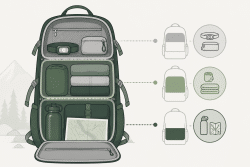
A breathable sun shirt earns its keep. Look for UPF ratings and a fit that allows air to circulate. Rolled sleeves snap into place, and a vented back keeps you from feeling swampy. Pair with a sports bra that dries quickly and a pair of shorts with a 4 to 6 inch inseam if you’ll be crouching to set stakes or handling camping cooking tasks. Longer inseams reduce the need to tug fabric while you reach for tent poles. If your camping activities include scrambling on slickrock or pinesap-patched logs, consider lightweight hiking pants with a tapered leg so cuffs don’t drag through mud or ash.
Footwear shifts based on terrain. Trail runners can be your default for mixed ground and light day hikes. If your camping ground is sandy or near a lake, pack sandals with secure straps and a grippy sole. They double as shower shoes and are ideal for wading while rinsing dishes or playing camping games with kids. You can skip flip-flops at camp. When you’re carrying a Dutch oven of camping dinners or a pot of camping desserts, campfire brownies, you want a secure footing.
Accessories pull severe duty in summer. A wide-brim hat shields both face and neck. Polarized sunglasses cut glare if you’re near water or on pale granite. A lightweight neckerchief dampened with water becomes a personal swamp cooler. For hair, quick camping hairstyles like a high braided pony or a scarf wrap keep flyaways out of camp stoves and your face while you chop vegetables. If the night brings a breeze, a 7- to 9-ounce windbreaker blocks gusts, tames bugs, and gives your outfit a clean finish.
If you’re after camping outfits aesthetic without sacrificing function, lean on earth tones and two-texture layering: matte nylon pants with a slightly glossy windshirt, or a ribbed merino tank under a crisp overshirt. A single bandana adds color and ties the look together across days.
Fall: Warmth Without Bulk
Shoulder season can be your favorite for camping food and fashion. Cool mornings invite hot coffee and cast iron, and your wardrobe can stretch with smart layers. Start with that same merino tee or long sleeve, add a light fleece, then top with a breathable softshell. The fleece-synthetic combo traps heat yet dumps sweat when you’re hauling water. You can prefer fleece over thick sweaters in camp because it dries faster if a drizzle sneaks up during camping setup ideas or you overreach on a marshmallow skewer.
Bottoms depend on wind and activity. Midweight hiking pants or leggings with a brushed interior feel cozy without suffocation. If you’re sitting on cold camp chairs, pack thin insulated shorts to pull over leggings while you cook camping dinners or linger at the fire. Those shorts keep your core comfortable and make a surprising style statement when paired with a cropped fleece and boots.

Footwear shifts toward mid-height hikers or waterproof trail runners. Morning dew sneaks into mesh shoes; a water-resistant upper keeps your socks from soaking before breakfast. This is also the season to break out wool-blend beanies and light gloves. A slim beanie dresses a look and buys you ten degrees of comfort at dawn.
Material care helps clothes last. Smoke smells fade faster from wool and synthetics than from cotton. Hang your layers in the breeze while you prep camping appetizers or clean up after lunch, and most odors will lift by bedtime.
Winter: Add Insulation, Guard Your Extremities
Winter camping outfits for women demand a simple hierarchy: keep your core warm, protect fingers and toes, and avoid sweat inside your insulation. Your base stays the same (merino or synthetic), then an active mid-layer like grid fleece, then an insulating layer. You can cycle between a synthetic puffy for damp conditions and down for dry, cold conditions. Down packs small and looks sharp, especially in jewel tones that pop against snow in camping photos, but synthetic keeps warming even if a snowball fight gets rowdy or a flurry melts on your shoulders during camping games for adults.
On the bottom, start with thermal leggings and add softshell pants or insulated pants, depending on the temperature and wind. Avoid denim. It turns to cardboard in subfreezing weather and chills you for hours if it gets damp. If you’ll be kneeling to build a fire or handle gear, consider pants with reinforced knees. Gaiters keep snow out and pants dry.
Socks get serious now. Two layers help: a thin liner sock and a heavyweight wool sock. Carry a backup pair in your jacket pocket. Footwear should be insulated and roomy enough to wiggle toes; a tight boot is a cold boot. You can fit mine so that with thick socks, your toes can still move. Add a toe cap warmer only if you’re static for hours.
Hands need a system too. A liner glove plus a waterproof shell lets you manage tent zippers, camping gadgets like headlamps, and cooking tools without bare skin. You can keep a spare liner in a dry bag because losing one glove can end your night early. For headwear, a fleece-lined beanie or a balaclava under a hood seals heat. Winter winds turn a pretty outfit miserable fast if your neck and ears are exposed.

Style-wise, winter favors clean shapes and tonal layering. A waist-length puffy over a longline fleece balances proportions, and a structured beanie plus insulated boots reads polished. Functional doesn’t have to look bulky.
Spring: Variability Is The Point
Spring camping brings temperature swings and playful weather. Your outfits must pivot. You can pack an ultralight rain shell regardless of the forecast. Not just for rain: it blocks wind during dawn breakfasts and seals in heat while your fleece warms up. The shell-square scarf combo can be your go-to for quick warmth while mixing pancake batter or stirring oatmeal. If mud is a risk, choose darker pants and a waterproof boot with a smooth upper that wipes clean.
Colors feel good in spring. A bright base layer peeking from a neutral overshirt looks intentional in photos and helps partners spot you during a camping scavenger hunt for kids. Don’t be shy with prints either; a patterned fleece brings joy to a grey morning.
Outfit Building Blocks That Consistently Earn A Spot
Across seasons, a few pieces function like multi-tools. A shacket (shirt-jacket) in wool blend dresses up leggings at the trailhead and acts as a campfire layer. A midweight hoodie in merino or recycled polyester goes from sleeping layer to coffee-run top. A pair of structured joggers with zip pockets helps with car camping organization and catches stray snacks, lighters, and headlamps while you move between the tent and the camp kitchen.
If you prefer dresses or skirts, choose technical fabrics with stretch. A simple A-line hiking skirt with built-in shorts is ideal for warm afternoons and looks excellent with trail runners. Pair with compression shorts for chafe control and comfort on longer walks.
Accessories That Punch Above Their Weight
A bandana is a potholder, sweat rag, headband, and napkin. A thin leather belt cinches oversized layers and turns a practical outfit into a camping aesthetic moment. Sunglasses on a retainer keep them from dropping into the dishwasher. A minimalist watch with a timer helps manage cooking when you’re juggling camping meals, easy over fire, and a pot of camping desserts, campfire cobbler.

Hair management is part safety, part style. You can keep a stash of sturdy claw clips and a buff. A braided crown turns day-three hair into a clean look under a hat. For long hair by the fire, wrap it in a scarf to avoid ember holes in synthetic jackets.
How Outfits Interact With Camping Meals And Chores
Cooking outdoors is messy in small, controlled ways. Splatter happens. Choose tops that hide a drop of oil and fabrics that wipe clean. A half-apron is a quiet hero when you’re searing sausages or flipping veggie skewers. It doubles as a towel holster while you set up the camping kitchen and plate camping sides for a crowd.
Breakfast tends to be chilly. Dress your upper body more warmly than you think for the first 30 minutes around the stove. A puffy vest stays out of the way while you whisk eggs and keeps your core cozy before the sun reaches your table. Make-ahead camping breakfast ideas like overnight oats or pre-cooked bacon lower your time on the flame and reduce splatter. That’s an outfit saver if you’re wearing your favorite shacket.
Dinner can bring wind and smoke. A brimmed hat shields hair from smoke strands; a quick rinse in cold water and an overnight hang clears the smell for morning. When you serve camping dinners for a crowd, consider fingerless gloves if the night is cool; they offer dexterity without frozen hands.
The Minimalist’s Kit For A Long Weekend
Packing light doesn’t mean you have to be underdressed. For a three-night car camping trip in variable weather, you should pack the following:
- Two base t-shirts
- One long-sleeve merino shirt
- One fleece or lightweight puffy jacket
- One wind and rain shell
- One pair of hiking pants
- One pair of leggings
- One pair of joggers for sleeping and lounging
- One pair of trail runners
- Sandals
- Three pairs of underwear
- Three pairs of socks, plus an extra pair for sleeping
- A beanie
Additionally, consider adding a bandana, gloves for the shoulder season, and a compact dress if you plan to have dinner in town. This packing list covers your needs for hiking, camp chores, and cozy evenings.

One outfit trick saves space: pick a palette. When tops and bottoms share a color story, every piece works together. Earth tones with a single accent color keep it chic without thought. That makes photos better, too, whether you’re setting a camping background for group shots or snapping candid camping pics while the kids chase fireflies.
Rain, Mud, And Other Curveballs
Rain ruins cotton. It also makes fashion choices feel silly if you’re unprepared. Pack a true rain shell with taped seams and pit zips if you’ll be active. Avoid anoraks for extended rain unless they fully zip, or you’ll run hot. If the forecast is stubborn, swap hiking pants for waterproof-breathable pants or bring a lightweight rain kilt that packs tiny. Keep a dry layer sealed in a bag for post-storm warmth. That bag feels like magic after a soggy tent setup.
Mud calls for smooth fabrics that can be easily washed off. This is where synthetic joggers earn their keep. They dry in an hour and don’t stain easily. Knee-length gaiters keep cuffs spotless during camp setup or when gathering firewood. Embrace imperfection; mud streaks tell a story.
Safety And Comfort Without Sacrificing Style
Fashion follows function in the backcountry, but you don’t need to look like a gear catalog. Reflective piping on a jacket is practical during a nighttime bathroom walk. A bright beanie helps partners locate you at dusk. Consider a lightweight whistle and a small knife as part of your camping essentials for women. Tuck them in a jacket pocket. They’re invisible until needed.
For the sun, skip the tank-only mindset. A breezy long-sleeve sun shirt paired with shorts is the cooler combo on day two of open-sky hiking. For bugs, a permethrin-treated overshirt cuts the swarm. If you’re sensitive to DEET, a woven nylon layer is a surprisingly effective barrier during camping activities for kids at twilight.
Photos, Memories, And The Camping Aesthetic

Outfits shape how your campground moments look and feel. If you’re planning camping engagement photos or a milestone camping birthday, coordinate textures more than colors: denim and canvas pop against pine. Fleece and wool glow at golden hour. Keep logos minimal for timeless pictures, then add a single playful piece like a patterned bandana or a vintage cap. For a camping birthday party, a comfortable midi dress with trail-ready sandals looks festive while remaining practical for roasting s’mores or leading camping games.
You can’ve learned to keep a clean overshirt or quilted jacket in the car for photo moments. You can pull it over a smoky fleece for instant polish. A simple blanket or camping quilt tossed across your shoulders elevates a shot and warms you between frames.
Care And Storage So Your Kit Lasts
Smoke, dust, and UV beat up fabrics. Shake out garments before packing, then air them in indirect sun for an hour. Merino tops can go several wears before washing; air them between days. Rinse mud from zippers and let them dry open to preserve smooth pulls. Store down jackets uncompressed, not in a tight stuff sack. Keep a small repair kit in your camping bag: tenacious tape, a needle, and thread will rescue a snagged puffy or a popped seam on a pocket that holds your camping utensil caddy or lighter.
The organization keeps outfits ready. A mesh cube for clean tops and a separate one for socks and underwear makes your camping packing list feel breezy. Dirty clothes go in a dedicated dry bag so they don’t perfume everything else with campfire or curry from last night’s camping meals.
Brilliant Hacks Learned The Smoky Way
You can focus on real friction points. Greasy pans splash. Chairs tip. Morning surprise. These small habits pay off.
- Pack a tiny bottle of dish soap and a dab of it on a paper towel to pre-treat oil spots before they set.
- Keep a dedicated pair of “fire pants” if you love sitting close to the coals; they’ll carry the ember flecks and spare your nicer leggings.
- Clip a mini carabiner to your hat so it can hang on your chair when the wind kicks up while you serve camping supper ideas.
- Rotate socks at lunch on long hikes. The morning pair dries on your pack; the afternoon pair stays fresh for camp.
- Reserve one clean top for sleep: psychological reset, better rest, and fewer smoky dreams.
Exceptional Cases: Kids, Dogs, And Big Groups
If you’re managing camping activities for kids, add knee-length shorts or durable leggings that you don’t mind kneeling in. You’ll be down on the ground for crafts, tying camping knots for a scavenger hunt, or supervising camping art projects for kids. Choose tops with zip pockets for bandages and snacks. For camping with dogs, opt for abrasion-resistant pants; excited paws and canvas chairs can snag delicate fabrics. A pocketable anorak keeps fur off base layers and wipes clean.
For group trips and camping meals for a crowd, consider a color cue so everyone knows who’s on dinner duty. A shared apron color solves questions. Layers with thumbholes keep sleeves out of the dishwasher and add warmth as the group lingers over camping desserts. If you’re leading, carry a packable shawl or heavier layer so you can pause to help without shivering.
What To Wear When You Sleep
Your sleep outfit can rescue a trip. Dry, clean socks, a merino long sleeve, and breathable leggings prevent clammy discomfort. If your sleeping bag is slightly cool for the conditions, add a thin beanie. Avoid overdressing; too many layers trap moisture and make you feel cold. A light, puffy blanket inside the bag is fine for a few minutes, but it can create cold spots overnight. Instead, improve ground insulation with a better camping mattress or a folded quilt beneath your hips and shoulders.
Simple, Season-Proof Outfit Formulas
Build a few formulas and you’ll pack faster. For hot weather: merino tee, sun shirt, shorts or a skirt with built-in shorts, trail runners, sandals for water, hat, and a windbreaker. For shoulder seasons: long sleeve merino, fleece, hiking pants, light insulated vest, beanie, and waterproof trail runners. For cold: thermal base, grid fleece, puffy, insulated pants, two-layer socks, insulated boots, liner plus shell gloves, and balaclava or beanie.
Swapping colors or accessories gives the camping aesthetic you like without changing the backbone. A quilted vest in olive or rust changes the mood. A patterned neck gaiter adds personality and hides day-two hair during camping breakfast.
A tiny, reality-tested packing checklist for outfits
You can keep a small, hard-earned list taped inside, which can be your camp bin. It’s focused on clothing, not everything under the sun, and it has saved you during quick departures for a one-night camping run or a last-minute detour to Yosemite.
- Two base tees, one long sleeve merino, one fleece or puffy, one shell
- Hiking pants, leggings, joggers, shorts, or a skirt, sleepwear
- Three to five pairs of socks, sleep socks, three to four pairs of underwear, sports bra
- Trail shoes, camp sandals or slip-ons, beanie, gloves in season, hat, bandana
- Repair kit, mini laundry soap, mesh bag for wet items
Check the forecast, then remove or add: insulated pants for deep winter, rain pants for wet seasons, and extra socks for big hikes. This compresses well enough that even a 1-week camping clothes rotation feels manageable if you rinse and air-dry.
Final Notes From Many Miles
The best camping outfits for women come from mixing technical fabrics with pieces that make you feel like yourself. You can’ve watched friends come alive in a mustard puffy and a ribbed beanie while they plate camping appetizers, and you can learn that a crisp overshirt can make a smoky hoodie feel dinner-ready. Prioritize comfort and protection, then pull color and texture where you can. Your clothing earns its spot not just when you’re smiling at sunset, but when the wind kicks ash your way, when rain surprises you during a hike, and when you’re flipping pancakes for sleepy kids at dawn.
If you take one thing from all of this, let it be the system: base that wicks, mid that insulates, shell that shields, and accessories that adapt. Choose footwear for the ground you’ll walk on, not the one you want, and keep one clean layer for sleep. With that, every season opens up, and every camping trip—whether you’re chasing the first bite of a perfect camp breakfast, playing a round of camping games for kids, or curling into a chair with a mug after dinner—feels like a place you belong.