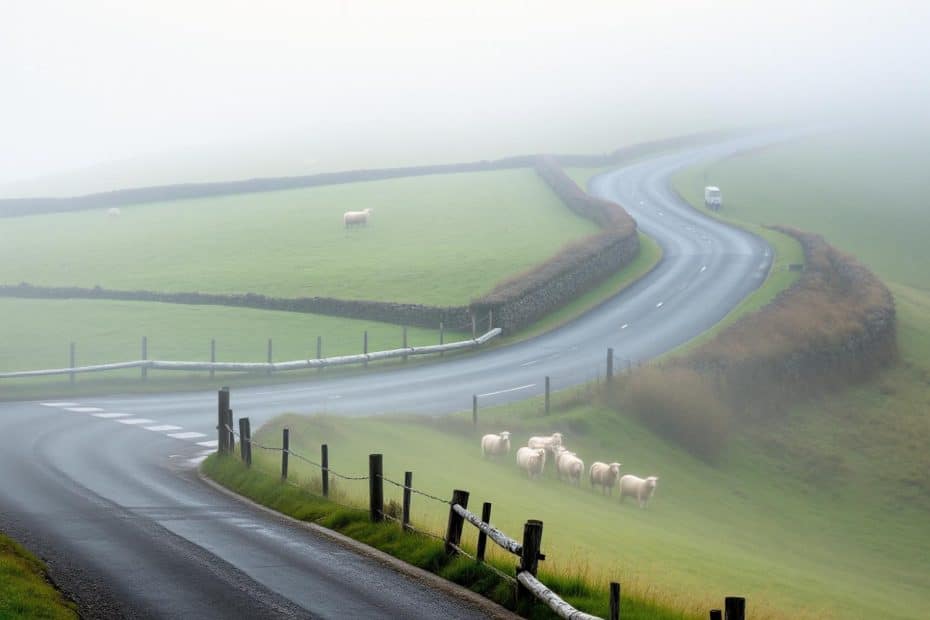
Camping is not just about pitching a tent and roasting marshmallows; it embodies a lifestyle that honors the great outdoors. Understanding camping etiquette can significantly enhance your experience. This guide delves into various aspects of camping etiquette.
| Product Category | Product Examples | Description | Link |
|---|---|---|---|
| Innovative Cooking Gear | Portable Camp Stoves | Surprising designs that allow cooking in more challenging environments, like compact folding stoves that pack light yet perform efficiently. | Discover Unique Camp Stoves! |
| Eco-Friendly Camping | Biodegradable Soap | An unexpected but essential product for conscientious campers, biodegradable soap ensures minimizing impact on the natural surroundings. | Find Eco-Friendly Soap Options! |
| Outdoor Adventure | All-Weather Sleeping Bags | Choosing the right sleeping bag can change your camping experience; look for brands with excellent thermal balance for unpredictable weather. | Explore All-Weather Sleeping Bags! |
| Making Memories | Campfire Cooking Equipment | Many overlook the idea of campfire cooking gear; split cooking sets allow for creativity and enjoyment right by your campfire. | Browse Campfire Cooking Gear! |
| Essential Safety Gear | Portable Water Filters | An often-missed piece of equipment, portable water filters can save your trip by ensuring safe drinking water, crucial in the wild. | Check Out Water Filters! |
| Challenge | Solution | Situation | Problem Addressed | Why It Works |
|---|---|---|---|---|
| Respecting Shared Spaces | Adhere to Camping Etiquette | Camping with groups or in popular areas | Noise disturbances and disruptions among campers | Creates a friendly atmosphere and promotes safety |
| Environmental Preservation | Practice Leave No Trace | Camping in pristine natural areas | Polluting and damaging ecosystems | Encourages sustainability by minimizing impact on nature |
| Dealing with Wildlife | Follow Wildlife Observation Etiquette | Camping in areas with wildlife presence | Dangerous interactions with animals | Protects both campers and wildlife by maintaining a safe distance |
| Planning for Success | Effective Preparation and Gear Selection | Group camping trips | Lack of necessary equipment or knowledge | Ensures safety and a positive camping experience |
| Group Activities | Establishing Norms | Camping with family or friends | Disorganization and lack of participation | Encourages collaboration and enhances the camping experience |
| Advice |
|---|
| Set up camp in a spot that respects privacy and noise levels for everyone. |
| Choose biodegradable products to reduce harm to the environment and maintain cleanliness. |
| Familiarize yourself with the shapes of animal tracks to avoid potential wildlife encounters. |
| Use designated trails to minimize your impact on untrampled areas. |
| Offer to share the cooking duties when camping in a group, enhancing teamwork and bonding. |
| Remember that packing out what you pack in includes considering food waste, so plan meals accordingly. |
| Learn basic first-aid skills to ensure preparedness for any unforeseen incidents in the wilderness. |
| Consider flexibility in activities to accommodate diverse interests and ensure everyone feels included. |
Camping Etiquette: Respecting Fellow Campers and Nature Itself
When you step into the wilderness, you’re entering a shared space. It’s essential to recognize that others are there for the same reasons as you: to enjoy nature, unwind from their daily routines, and create lasting memories. Proper camping etiquette means respecting those around you while protecting our fragile ecosystems.
Campers routinely advise that the best gear is the gear that fits your actual trips: start simple, learn what you use, and upgrade the pieces that earn their place.
The Importance of Camping Etiquette
Camping etiquette isn’t just about following rules; it’s about fostering a culture of respect. Here are some key reasons why camping etiquette matters:
- Promotes Safety: Following guidelines helps prevent accidents.
- Enhances Experience: A respectful atmosphere makes for a better adventure.
- Protects Nature: Responsible behaviors minimize environmental impact.
- Builds Community: Good etiquette fosters camaraderie among campers.
Understanding Your Environment
Before setting up camp, it’s crucial to understand the area you’ll be exploring. Familiarizing yourself with local flora and fauna, wildlife behavior, and weather considerations can significantly enhance your experience.
Research Local Flora and Fauna
Knowing what plants and animals inhabit your campsite can help you stay safe and fully appreciate nature. For example, identifying poisonous plants like poison ivy or recognizing animal tracks can prevent dangerous encounters.
Weather Considerations for Camping
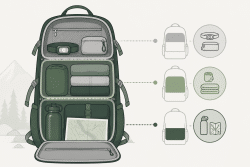
Weather can change rapidly in outdoor environments. Before heading out, check forecasts for potential storms or extreme temperatures – this knowledge is vital for preparing appropriate gear.
Preparation is Key
Proper preparation can make or break your camping experience. Here are some essential tips:
Camping Checklists
A checklist is crucial to ensure you don’t forget essentials like portable camping gear, first-aid kits, food supplies for outdoor cooking, and innovative hot tents for chilly nights.
- Tent (best camping tents)
- Sleeping bags
- Cooking equipment
- First aid kit
- Food supplies
Choosing the Right Camping Gear
Investing in quality camping gear is essential to ensuring an enjoyable trip. Research gear specific to your needs—whether you’re looking for four-season tents or lightweight options for backpacking adventures.
Setting Up Camp Responsibly
Once you’ve arrived at your destination, setting up camp requires consideration for fellow campers and the environment.
Tent Setup Tutorials
Follow best practices when pitching your tent:
- Choose a flat area away from trails.
- Minimize ground disturbance.
- Keep a safe distance from water sources.
- Ensure proper ventilation if using hot tents.
Campfire Safety Guidelines
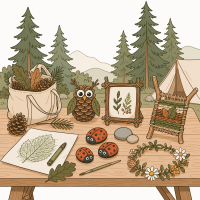
Campfires are a quintessential part of outdoor adventure, but come with responsibilities:
- Always check fire regulations in your area.
- Keep fires small; use established fire rings whenever possible.
- Never leave fires unattended.
- Fully extinguish fires before leaving.
Maintaining Noise Levels
One aspect often overlooked in camping etiquette is noise pollution:
- Keep music at low volumes—use headphones instead.
- Speak softly during quiet hours (typically after 10 PM).
- Respect other campers’ peace by avoiding loud activities early in the morning.
Waste Management Practices
Leave No Trace principles should govern waste management practices during your stay:
Trash Disposal Tips
Always pack out what you pack in:
- Use designated trash bins when available.
- Carry biodegradable waste (like food scraps) away from the campsite to avoid attracting wildlife.
Human Waste Disposal Guidelines
If no restroom facilities are available:
- Dig a hole at least 6 inches away from water sources.
- Cover it thoroughly afterward to prevent contamination.
Wildlife Observation Etiquette
Observing wildlife can be one of the most rewarding experiences while camping, but it requires caution:
- Maintain a safe distance; never approach wild animals.
- Do not feed wildlife; it disrupts their natural behaviors.
- Store food securely to avoid attracting animals to your campsite.
Best Practices for Group Camping Activities
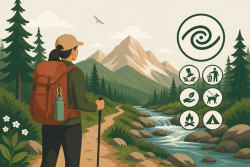
When camping with friends or family, establishing group norms enhances everyone’s experience:

Family Camping Tips
Engage everyone by assigning roles based on interests:
- Cooking duties
- Setting up tents
- Planning group hikes on nearby hiking trails
Solo Camping Tips
If you’re venturing out alone:
- Inform someone of your plans beforehand.
- Carry all necessary survival skills and tools, including navigation aids like trail maps.
- Practice mindfulness—embrace solitude without feeling isolated.
Outdoor Cooking Essentials
Cooking outdoors combines creativity with practicality—mastering this art contributes significantly to your overall satisfaction while also adhering to etiquette guidelines:
- Use portable stoves when allowed; campfires should be used sparingly.
- Clean up spills immediately to avoid attracting pests.
Photography in Nature: Capturing Moments Respectfully
Capturing memories through photography can enhance your appreciation for nature, but should be done respectfully:
- Avoid intruding on others’ experiences; seek permission if taking pictures of people nearby.
- Stay on trails when photographing local flora to minimize damage.
Glamping Experiences

For those who prefer comfort over ruggedness:
- Research glamping sites offering unique luxuries while respecting natural surroundings.
- Embrace eco-friendly practices even while enjoying lavish accommodations.
Astronomy Nights Under The Stars
Don’t miss out on clear nights! Star-gazing enriches the camping experience:
- Bring binoculars or telescopes if interested in celestial observations.
- Follow noise guidelines during late-night star-gazing sessions—others may wish to sleep!
Fishing While Camping
Fishing adds another layer of enjoyment:

- Research local fishing regulations before casting lines—some areas have specific rules about catch limits or designated zones. 2. Coordinate with fellow campers regarding fishing spots if sharing resources seems beneficial!
FAQs About Camping Etiquette
Q: What should I do if my neighbor’s noise disturbs me?
A: Politely ask them if they could lower their volume or discuss quiet hours as needed regarding camping etiquette.

Q: How do I know where to build fires?
A: Always consult park regulations upon arrival—some regions have specific guidelines concerning fire usage!
Q: Is it okay to take home rocks or plants as souvenirs?
A: No! Removing natural items harms ecosystems; ALWAYS leave them untouched so future visitors may likewise enjoy them!

Q: Should I reserve campsites beforehand?

A: Yes! Popular destinations often fill quickly—making reservations ensures access during peak seasons!
Q: What happens if I encounter aggressive wildlife?
A: Remain calm! Back away slowly without turning your back until you are safely distanced, then report sightings promptly via the appropriate channels.
Wrap Up
Camping is not just an escape into nature but an opportunity that thrives on mutual respect among all participants. By understanding the proper protocols for waste management and fire safety and following the various tips outlined in this article, we hope you will embrace these key points and foster mindfulness towards each other and our planet. These elements are essential for achieving harmonious coexistence in outdoor environments!
By adhering closely to these values, we reinforce community bonds while safeguarding precious resources meant solely for enriching experiences shared through time, immersed in the beauty surrounding us outdoors! So remember—every moment counts—let’s strive toward being better stewards today than yesterday!