

If you relish the thought of winter camping, you’ve come to the right place to learn about hot tent camping. Utilizing the best hot tents and wood stoves can transform your camping experience, offering comfort and warmth in the coldest conditions.
| Product Category | Search Links | Popular Items |
|---|---|---|
| Hot Tents | Explore Hot Tents | Seek Outside Cimarron, Luxe Tipi Tents, Kodiak Canvas Tent |
| Wood Stoves | Discover Wood Stoves | Helle Outdoor Wood Stove, Titanium Wood Stove, Winnerwell Wood Stove |
| Camping Gear | Find Camping Gear | Thermarest Sleeping Pad, MSR Whisperlite Stove, Jetboil Flash Cooking System |
| Accessories | Check Camping Accessories | Camping Lanterns, Portable Camp Showers, Compact Cooking Sets |
| Key Points | Details |
|---|---|
| Challenge Addressed | Finding winter camping solutions that prioritize warmth, comfort, and safety. |
| Target Audience | Outdoor enthusiasts looking to enhance their cold-weather camping experience. |
| Situational Use | Ideal for hikers, trekkers, and campers planning extended stays in cold climates. |
| Problem Solved | Traditional camping setups often lack adequate warmth and comfort in freezing weather. |
| Why it Works | Combining quality hot tents with efficient wood stoves offers a warm, cozy environment, extending outdoor adventures through all seasons. |
| Insights |
|---|
| Utilizing a hot tent can significantly extend your camping season; being warm allows you to enjoy the beauty of winter landscapes without discomfort. |
| Choose a lightweight wood stove; many have adjustable heat settings, making it easy to maintain a comfortable temperature without overheating your tent. |
| Consider adding insulation to the floor of your tent; it can drastically improve warmth retention during cold nights. |
| Practice setting up your tent and stove at home first; doing so will make your outdoor setup easier and reduce potential challenges. |
| Don’t forget ventilation; ensure your hot tent has enough airflow to prevent condensation and maintain fresh air quality. |
| Bring lightweight cookware that fits neatly in your packed gear; it will enhance your cooking experience while using a wood stove. |
Best Hot Tents and Wood Stoves for Ultimate Hot Tent Camping
This guide walks you through everything from choosing the right tent to optimizing your setup for safety and comfort. how to start a campfire.
Hot tent and wood stove combos work as paired systems: the stove rating should match the tent volume, because an oversized stove overheats a small tent and an undersized one never warms a large one. The dependable check is matching stove square footage to tent floor area before buying either.
In hot-tent communities, the recurring advice is to compare three things before buying: the stove jack, the floor material, and the total weight. A tent that pairs well with your stove and your travel style serves you far better than one chosen on looks alone.
What Makes the Best Hot Tent for Camping?
How to Choose the Right Tent for Hot Tent Camping?
When selecting the best hot tent for your camping endeavors, consider material, size, and weight. A canvas tent, for instance, offers durability and excellent insulation, making it a great choice for winter camping.
However, ultralight options like the Seek Outside Cimarron might be more suitable if you aim for portability. These tents are designed with backpacking in mind, balancing weight and durability to provide a comfortable shelter without adding unnecessary bulk to your pack. Furthermore, a spacious inner tent can enhance your comfort, providing ample room for sleeping and storing gear.
What Features Should a Hot Tent Have?

The best hot tents have specific features designed to enhance your camping experience. A stove jack is essential, allowing you to use a wood stove inside the tent safely. This feature facilitates heating and ensures that the stove pipe can be securely fitted, preventing smoke from entering the living area. A tent with a vent system is crucial for maintaining air quality and reducing condensation, a common issue in colder climates. Look for tents with mesh windows or vents that can be adjusted to control airflow without compromising warmth.
Are Tipi Tents Suitable for Hot Tent Camping?
Their traditional design makes tipi tents increasingly popular for hot tent camping. Their conical shape is visually appealing and functional, allowing them to withstand strong winds and heavy snowfall. Tipi tents typically offer ample space and are often compatible with wood stoves, making them an excellent choice for campers seeking a blend of style and practicality. Many models, including those from brands like Luxe, are designed with modern features such as stove jacks and robust materials, making them suitable for 4-season camping.
Why is a Wood Stove Essential for Hot Tent Camping?
How Does a Wood Stove Enhance Hot Tent Experiences?
A wood stove is more than just a source of heat; it’s a cornerstone of the hot-tent camping experience. The warmth provided by a wood-burning stove creates a cozy environment, allowing you to enjoy the tranquility of nature even in the harshest winter conditions. Moreover, a stove inside your tent can be used for cooking, adding convenience that enhances your overall camping adventure. The presence of a damper on the stove allows you to control the intensity of the fire, ensuring optimal warmth without overheating the tent.

What are the Benefits of Using a Stove Jack?
Integrating a stove jack in your tent is pivotal for safe and effective hot tent camping. This feature allows you to safely route the stovepipe out of the tent, minimizing the risk of smoke inhalation and fire hazards. A well-designed stove jack ensures that the area around the pipe remains insulated, protecting the tent fabric from heat damage. This innovation is particularly beneficial in tents like the Seek Outside Cimarron, which have become synonymous with quality and safety in the camping community.
How to Choose the Right Wood Stove for Your Tent?
Choosing the right wood stove involves considering size, material, and functionality. A titanium wood stove is an excellent choice for those prioritizing weight and efficiency, as titanium is both lightweight and durable. Ensure the stove you select fits comfortably inside your tent and is compatible with the stove jack. Additionally, consider the stove’s heat output and adjustability, as these will directly impact your ability to maintain a comfortable temperature during your camping trip.
What are the Best Hot Tents for Backpacking?
Are There Ultralight Options for Backpacking Hot Tents?

For backpackers, the quest for ultralight hot tents is paramount to ensure the journey is as enjoyable as the destination. Fortunately, several options blend lightweight design with robust performance. Seek Outside tents, for instance, are renowned for their ultralight construction, using advanced materials that do not compromise strength or weather resistance. These tents are designed to be easily packed and carried, making them ideal for long treks where every ounce counts.
How to Pack a Hot Tent for Backpacking?
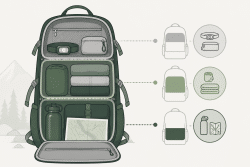
Packing a hot tent for backpacking requires strategic organization to maximize space and maintain balance. Begin by folding the tent fabric neatly, minimizing creases that could lead to wear over time. Pack the stove components separately, such as the titanium stovepipe, to protect the tent fabric from sharp edges. Distribute the weight evenly within your pack to avoid strain during your hike. Additionally, consider using compression sacks to reduce the volume of your gear, allowing you to carry additional essentials without adding bulk.
What are the Top Packable Hot Tents?
Regarding packable hot tents, brands like Seek Outside and Luxe lead the industry with innovative designs catering to casual and experienced backpackers. These tents are crafted with materials that offer a high strength-to-weight ratio, ensuring they’re both durable and easy to transport. Models like the Seek Outside Cimarron are top-rated due to their versatility and ease of setup, making them a top choice for those who value convenience and performance in the backcountry.
What Essential Tips Should You Know for Hot Tent Camping?
How to Safely Use a Stove Inside a Hot Tent?
Safety is paramount when using a stove inside a hot tent. Ensure the stove is placed on a stable, heat-resistant surface to prevent accidental tipping. Properly installing the stove pipe and jack is crucial to avoid smoke buildup and fire hazards. Never leave the stove unattended; keep a fire extinguisher or water source nearby for emergencies. Regularly monitor the temperature inside the tent to maintain a comfortable and safe environment, and ensure that all ventilation points are unobstructed to facilitate airflow.
What are the Best Practices for Setting Up a Hot Tent?
Setting up a hot tent involves careful planning and execution to ensure a secure and comfortable shelter. Begin by selecting a flat, dry location sheltered from strong winds. Secure the tent with stakes and guy lines to enhance stability, especially in adverse weather conditions. When installing the wood stove, ensure it is positioned away from the tent walls and any flammable materials. Regularly inspect all components, including the stove jack and tent fabric, for wear and tear, addressing any issues promptly to maintain safety and functionality.
You will need a portable carbon monoxide detector for extra protection. Check them on Amazon: https://amzn.to/4896pjW.


How to Maintain a Hot Tent for Longevity?
Maintaining your hot tent is essential for ensuring its longevity and performance. After each camping trip, clean the tent fabric and components to remove dirt and soot, which can degrade materials over time. Store the tent in a cool, dry place to prevent mold growth and material deterioration. Regularly inspect seams and zippers for signs of wear and apply waterproofing treatments as needed to maintain the tent’s weather resistance. By following these maintenance practices, you’ll extend the life of your hot tent, ensuring many more enjoyable camping experiences.
How to Optimize Your Hot Tent Setup for Comfort and Safety?
What are the Best Insulation Techniques for Hot Tent Camping?
Insulation is critical to maximizing comfort during hot tent camping, particularly in colder climates. Utilize ground insulation, such as foam pads or insulated carpets, to prevent heat loss through the tent floor. Consider adding a thermal liner or inner tent to create a layer of warmth and protection against the elements. These techniques not only enhance comfort but also improve the efficiency of your wood stove, allowing you to maintain a consistent temperature with less fuel.
How to Ensure Proper Ventilation in a Hot Tent?
Proper ventilation is essential in a hot tent to prevent condensation and ensure a healthy airflow. Position your tent to take advantage of natural breezes and utilize mesh windows or adjustable vents to regulate air exchange. When using a wood stove, ensure the damper is functioning correctly to control the stove’s output and prevent smoke buildup. Regularly check ventilation points to ensure they’re unobstructed, allowing fresh air to enter and moisture-laden air to exit, maintaining a comfortable and safe environment inside the tent.
What Safety Gear is Recommended for Hot Tent Camping?
Safety gear is indispensable to hot tent camping, providing peace of mind and protection in the wilderness. Always carry a first-aid kit, a fire extinguisher, and a multi-tool for emergencies. Consider bringing a carbon monoxide detector to alert you to any gas buildup, especially when using a wood-burning stove. Pack extra fuel and a repair kit for your stove to address any malfunctions promptly. Equipping yourself with the proper safety gear will prepare you to handle any challenges, ensuring a secure and enjoyable camping trip.
Explore the best hot tents for camping with a stove: https://amzn.to/4dL7tMc.

Q: What are the best hot tents and wood stoves for ultimate hot tent camping?
A: We’ve tested a variety of hot tents and wood stoves, including the Argali Absaroka and Seek Outside Cimmaron, which are excellent choices for those seeking a warm tent experience. I’m impressed with the durability and space these options provide, making them ideal for camping and backpacking adventures.
Q: Why should I consider using a hot tent and stove for camping?
A: A hot tent and stove combination allows you to enjoy camping even in colder months by providing warmth and comfort. The tent allows a chimney to safely vent smoke and keep the heat in, ensuring enough room and warmth for a cozy night in your sleeping bag.
Q: What features should I look for in a tent stove?
A: When selecting a tent stove, look for features such as a spark arrestor for safe, easy-to-install components and a design that provides plenty of room for wood and kindling. A small stove that efficiently heats the space is essential, and the sides of the stove should be robust to withstand regular use.
Q: How does the tent material affect the camping experience?
A: The tent material plays a significant role in your camping experience. It influences the tent’s insulation, durability, and weight—crucial factors for a typical backpacking trip. High-quality material ensures the tent shines in various weather conditions, providing warmth and protection.
Q: Can I use a hot tent for late-season camping?
A: Absolutely! A hot tent is well suited for late-season camping as it lets you keep a fire inside, providing warmth and comfort.
Q: What are some recommended hot tents for backpacking?

A: For backpacking, consider options like the MSR and LiteOutdoors tents, which are designed to be lightweight yet provide ample warmth. These tents offer much space while remaining portable, making them ideal for on-the-go adventures.
Q: How do you maintain a steady fire in a tent stove?
A: To maintain a steady fire, it’s essential to stoke it regularly and ensure the woodstove is adequately ventilated. Using dry, seasoned wood helps keep the fire going efficiently. Keep an eye on the ember levels to avoid overloading the stove.
Q: Are there specific stoves that work best with certain tent designs?
A: Certain stoves are better suited to specific tent designs, such as teepees and mesh tents. For example, the Winterwell stove works well with larger tents with enough room for a stove pipe, while smaller stoves are better for compact tents.
Explore the best hot tent stoves: https://amzn.to/3U9XZTI.
Q: How much space do I need for a hot tent setup?
A: The required space depends on the tent and stoves you choose. Generally, you want a tent with enough room to accommodate the stove, sleeping gear, and any other backpack you might have. Please see the manufacturer’s recommendations for specific space requirements.
Q: What safety precautions should I take when using a wood stove in a tent?

A: When using a wood stove in a tent, it is crucial to prioritize safety to prevent accidents and ensure a comfortable experience. First, ensure that the tent is designed to accommodate a wood stove, typically featuring a stove jack for the chimney pipe. Always set the stove on a stable, heat-resistant surface to prevent tipping and protect the tent floor. Maintain a safe distance between the stove, tent walls, and any flammable materials to avoid fire hazards.
Proper ventilation is essential to prevent the buildup of carbon monoxide; therefore, keep vents open and consider using a carbon monoxide detector for added safety. Regularly check the stove and chimney for blockages or damage, and never leave the stove unattended while it is burning.
Lastly, keep a fire extinguisher or a bucket of sand nearby in case of emergencies, and ensure everyone in the tent is aware of the safety procedures. Safety is paramount when using a wood stove in a tent. For extra protection, have a portable carbon monoxide detector. Buy them on Amazon: https://amzn.to/4896pjW.